

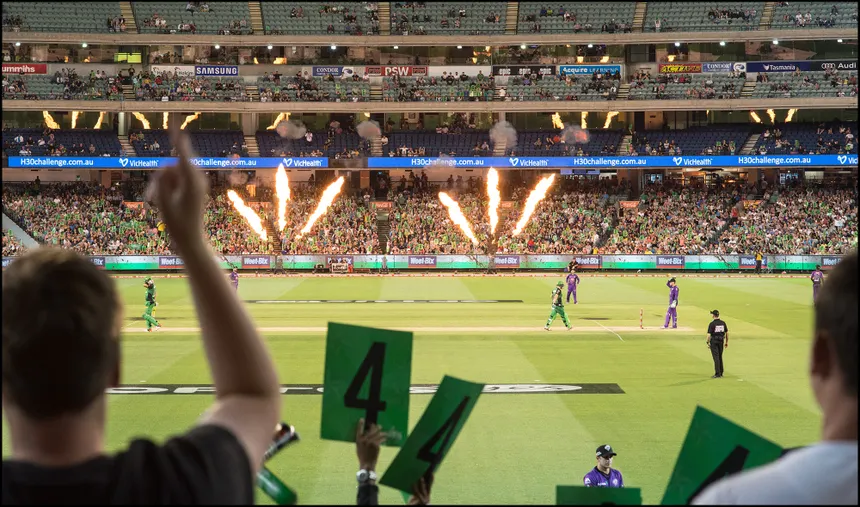
Cricket Australia (CA) is weighing a significant shift in its Big Bash League (BBL) structure, exploring the sale of minority stakes in its eight franchises to private investors. The move is part of a broader revamp aimed at injecting capital into the league and competing with heavily funded global T20 competitions. A recent review by the Boston Consulting Group recommended the model, suggesting it could raise over AU D100 million while strengthening the league’s commercial and on-field appeal.
CA officials, including CEO Todd Greenberg and chair Mike Baird, are holding consultations with state associations, clubs, players, and broadcast partners. While no decision has been finalized, the plan reflects mounting pressure to keep the BBL relevant amid escalating competition from IPL, SA20, and ILT20, where private ownership has driven franchise values into the billions.
The potential sale would likely involve up to 49% stakes in teams, ensuring CA maintains majority control while giving investors influence over major strategic decisions. The model mirrors England’s The Hundred, which raised over £500 million through similar franchise stake sales. Proponents argue that funds from such deals could bolster player salaries, grassroots cricket, and infrastructure upgrades, while enabling the league to attract top-tier international talent.
However, significant hurdles remain. The BBL is bound by a long-term broadcast deal through 2031, which ties the league’s schedule closely to Test cricket. Any structural changes requiring flexibility in the calendar may be limited until that contract is renegotiated. Critics also warn that private investment could dilute the sport’s cultural ownership, shifting focus from community value to commercial returns. Former CA officials have voiced concerns that ceding control to outside investors risks compromising cricket’s broader integrity.
Expansion and relocation are also on the table as part of the revamp. Underperforming franchises may be moved to untapped markets such as Canberra, New Zealand, or Singapore, while the introduction of new licences is being discussed. Adjustments to the BBL schedule, including moving the season to avoid clashing with Australia’s Test matches and raising the salary cap, are also under consideration.
The proposal represents the boldest rethink of Australian domestic cricket since the inception of the BBL itself. For CA, the challenge is balancing the need for financial growth and competitiveness with safeguarding the league’s identity and maintaining control over the game’s direction. Consultations are expected to continue over the coming months, with a clearer picture emerging ahead of the league’s structural review in 2026.