

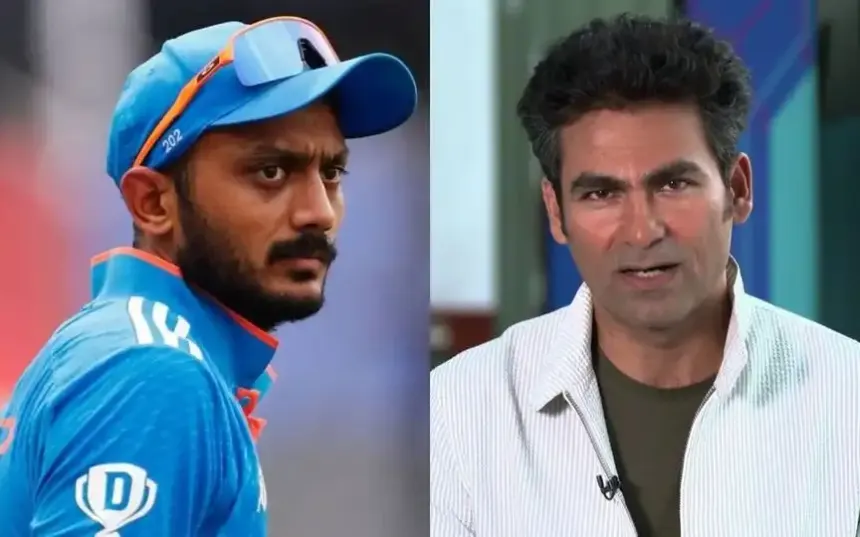
In a move that has stirred both excitement and debate, Shubman Gill has been named India’s new vice-captain for the upcoming Asia Cup 2025, replacing all-rounder Axar Patel. The decision, announced by the selectors alongside captain Suryakumar Yadav, reflects a clear push toward grooming Gill as a long-term leader in the T20 setup. However, the sudden change has also drawn sharp criticism, most notably from former cricketer Mohammad Kaif, who questioned the way Axar’s demotion was handled.
Gill’s rise to the deputy role is hardly surprising. The 25-year-old has been in sublime form across formats, particularly in the IPL and in the Test series against England, where his consistent performances underlined his adaptability and maturity. His leadership potential has been on the radar for some time, and his previous stint as vice-captain during T20Is made his reinstatement a logical step in the eyes of the selectors. Captain Suryakumar Yadav even stressed that Gill’s familiarity with the role would help India build a strong leadership core moving into the T20 World Cup year.
But where one player’s elevation is being celebrated, another’s quiet removal has created discontent. Axar Patel, who only earlier this year was entrusted with the vice-captaincy in the series against England, appears to have been sidelined without any official explanation. Mohammad Kaif took to social media to slam the process, stating that Axar “deserves an explanation” and should not have been left to find out about his demotion from a press announcement. His words resonated with fans who believe that communication and respect should be fundamental when dealing with leadership roles.
While Kaif’s stance reflects concerns about transparency, other voices in Indian cricket have welcomed the decision wholeheartedly. Veteran Sunil Gavaskar praised the move, calling it a smart step toward the future and predicting that Gill could well be India’s captain in the near term. From this perspective, Gill’s appointment is not just about the Asia Cup but about signaling confidence in him as a central figure in India’s next generation of leaders.
For Axar, the situation is less about ability and more about timing. The all-rounder has been a steady contributor with bat and ball, earning trust as a utility player in crunch moments. However, the vice-captaincy is often a role tied less to form and more to the larger strategic roadmap. With India building toward the T20 World Cup in 2026, the selectors’ choice reflects the value they see in Gill as both a dependable run-scorer and a leader in the making.
As the Asia Cup approaches, all eyes will be on how this decision impacts the team environment. If Gill thrives in his new role and India perform strongly, the move will be vindicated as visionary. But if the lack of clarity around Axar’s demotion creates unease, questions about respect and communication within the team management could linger.
Ultimately, this shake-up is a reminder of cricket’s harsh realities: leadership opportunities are as much about timing, vision, and future planning as they are about individual merit. For Gill, it is a chance to cement his role as India’s next cricketing leader; for Axar, it’s a test of resilience in the face of unexpected change.