

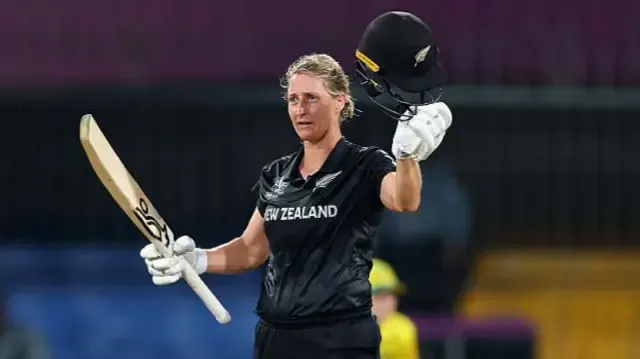
In a key encounter at the 2025 ICC Women’s World Cup, New Zealand captain Sophie Devine won the toss against Bangladesh in Guwahati and elected to bat first. The decision set the tone for the match, reflecting New Zealand’s intent to post a competitive total and put pressure on the Bangladeshi batting line-up.
Winning the toss is often a pivotal moment in limited-overs cricket, especially in World Cup conditions where pitch behavior and weather can influence strategy. Devine’s choice to bat first indicates confidence in her team’s batting depth and an understanding of the Guwahati track, which has historically assisted batters in setting a solid foundation in the early overs. By opting to bat, New Zealand aims to exploit the powerplay overs, establish partnerships, and set a target that challenges Bangladesh under pressure.
New Zealand’s batting unit, led by Devine herself, includes experienced campaigners like Brooke Halliday, Suzie Bates, and Katey Martin. The strategy is to start cautiously in the initial overs, preserve wickets, and then accelerate the scoring rate in the middle and final stages of the innings. Devine, known for her tactical acumen and ability to rotate the strike effectively, is expected to anchor the innings while supporting batters take calculated risks.
Bangladesh, on the other hand, will be looking to counter this approach with disciplined bowling. The onus will be on their seamers to make early inroads and contain the scoring in the powerplay overs. The spinners will play a crucial role in controlling the middle overs and creating opportunities for wickets. Bangladesh’s captain and senior batters will need to be mentally prepared for a challenging chase, as batting second in a World Cup match requires both composure and adaptability.
Pitch conditions in Guwahati are expected to be batting-friendly initially, with some assistance for seamers in the early overs due to overnight moisture. The forecast suggests a sunny day, which should help the track settle quickly, allowing batters to play shots freely once they are set. This makes Devine’s decision to bat first logical, as it maximizes the opportunity to post a competitive total before any potential deterioration or spin assistance later in the innings.
Historically, New Zealand has performed well when electing to bat first in ICC tournaments. Their ability to construct partnerships and maintain a steady run rate in the first innings has often set up victories in the second half of matches. For Bangladesh, the challenge will be to remain patient, assess the pitch, and build innings that can chase or surpass New Zealand’s total.
The toss decision also carries psychological significance. By taking first strike, New Zealand sends a clear signal of intent to dominate early, put pressure on the opposition, and control the pace of the game. Bangladesh will need to respond with strategic bowling changes, field placements, and resilient batting when it comes their turn to bat.
As the match unfolds, fans can expect a display of tactical planning, individual brilliance, and competitive cricket. Devine’s choice to bat first sets the stage for an exciting contest, with New Zealand aiming to leverage their batting depth and experience, while Bangladesh looks to respond with disciplined bowling and patient, measured batting in pursuit of a challenging chase.
12BET Shortlisted for Sportsbook Operator of the Year at SBC Awards 2025