

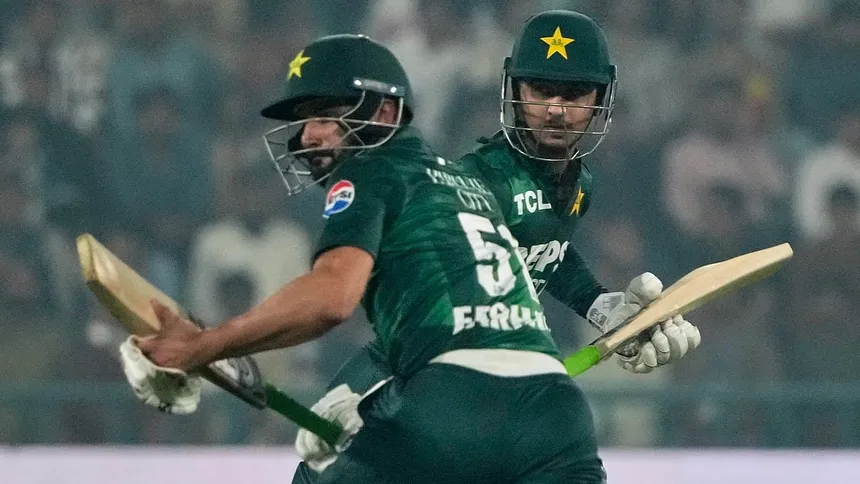
Pakistan’s 4-wicket victory over South Africa in Lahore was far more than a series-clinching performance — it was a statement of progress. The result reflected not just individual brilliance but a systematic reshaping of Pakistan’s white-ball squad, designed to deepen talent and reduce overdependence on a few stars.
Babar Azam’s return to the T20 setup provided the calm and experience Pakistan needed. His composed 68 off 46 balls in the final match guided Pakistan to victory after a nervy start. The innings reminded everyone why Babar remains a cornerstone of Pakistan’s white-ball ambitions, even as the team transitions toward a more balanced and adaptable lineup.
However, this series was not simply about Babar’s comeback. It was about the broader vision behind Pakistan’s team-building process. The selection committee, under new direction, has started focusing on depth and adaptability across formats. Younger talents who had impressed in domestic cricket — particularly in the Pakistan Cup and National T20 — were given genuine opportunities. The inclusion of uncapped players alongside established names showed an intent to create healthy competition within the squad.
Leadership restructuring has been another key part of this transformation. With Shaheen Shah Afridi captaining in ODIs and a younger leader steering the T20 side, Pakistan have clearly moved away from the “one captain for all” philosophy. This approach not only reduces the mental load on individuals but also allows each format to develop its own tactical identity.
On the field, the biggest takeaway was composure. In the final T20I, Pakistan’s middle order absorbed pressure after early setbacks, rotating strike smartly before unleashing calculated aggression at the death. The bowlers, too, demonstrated discipline — maintaining tight lines and controlling the powerplay. The blend of veterans like Haris Rauf with emerging seamers added dimension and variety to the attack.
This win also highlighted the influence of the current coaching regime. Mike Hesson, the white-ball head coach, has brought structure and analytical focus to Pakistan’s preparation. Training sessions have reportedly placed greater emphasis on situational awareness and role clarity — two areas that had often undermined Pakistan’s T20 performances in the past.
For Pakistan’s fans, this series has reignited belief that the team is evolving into a more consistent and tactical unit. It also underscored that the rebuilding phase is beginning to bear fruit — not through a single superstar effort, but through a collective mindset shift.
Still, challenges remain. Pakistan’s next task is to sustain this depth over time — ensuring that new players transition smoothly and that the core leadership group continues to inspire confidence. But for now, this win over South Africa is more than just a result; it’s a reflection of Pakistan’s growing maturity and the early success of their white-ball evolution.
12BET Shortlisted for Sportsbook Operator of the Year at SBC Awards 2025