

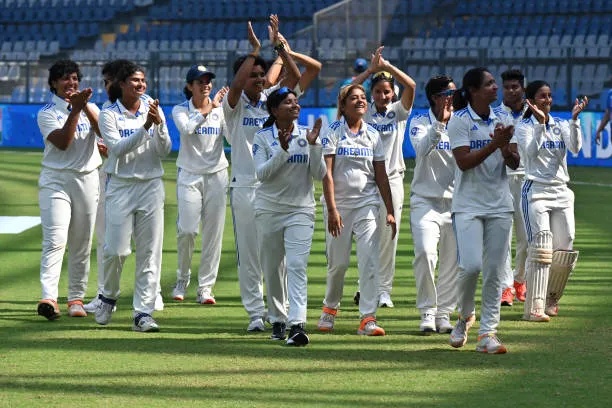
In a landmark move, the Board of Control for Cricket in India (BCCI) has announced sweeping reforms to the domestic structure of women’s cricket, placing renewed emphasis on red-ball and multi-day formats. The decision comes in the wake of India’s growing dominance in limited-overs cricket and reflects a strategic desire to develop players capable of excelling across formats — particularly in Tests.
BCCI secretary Devajit Saikia confirmed that the board wants India’s women cricketers to play more multi-day domestic matches and an increased number of Test fixtures at the international level. He said that the time had come to broaden the skill base of players beyond the T20 and ODI formats that have dominated recent years. This plan aligns with the global trend of reviving women’s red-ball cricket, with nations such as England and Australia already leading the way.
The 2025-26 domestic season will see the return of zonal multi-day tournaments, including the Senior Women’s Inter-Zonal Multi-Day Trophy. The BCCI believes these contests will serve as ideal preparation for longer formats, giving players vital experience in extended batting sessions, bowling stamina, and tactical play. The shift also aims to create a pipeline of talent ready for international Test opportunities — something the Indian setup has long lacked due to limited exposure.
At the international level, India is expected to play more Tests against top teams such as England and Australia, with talks underway to include multi-day matches in future bilateral tours. The board also plans to introduce more red-ball training camps and specialized coaching for seamers and batters to adapt to the challenges of longer matches.
This transformation is not without challenges. Hosting multi-day games requires longer scheduling windows, suitable pitches, and additional logistical support from state associations. There are also commercial concerns — women’s Tests generally draw smaller crowds and lower broadcast interest compared to shorter formats. However, the BCCI appears determined to prioritize development over immediate marketability.
Experts within Indian cricket view this as a necessary step toward balance. The dominance of the T20 circuit, including the Women’s Premier League, has given rise to explosive batters but has sometimes limited players’ technical depth. Multi-day matches could help bridge that gap, strengthening skills such as shot selection, defensive play, and bowling endurance.
Players themselves have responded positively. Several senior cricketers, including Smriti Mandhana and Deepti Sharma, have previously voiced support for more red-ball cricket, arguing it adds variety and prestige to the women’s game. The BCCI’s reforms, therefore, appear to reflect not only administrative foresight but also the wishes of the players.
If implemented effectively, the shift could redefine India’s women’s cricket landscape. It has the potential to create a new generation of all-format cricketers and position India as a leader in the evolution of the women’s game. The next few seasons will reveal whether these ambitious structural changes can translate into a lasting red-ball revival and a stronger, more complete national team.
12BET Shortlisted for Sportsbook Operator of the Year at SBC Awards 2025