

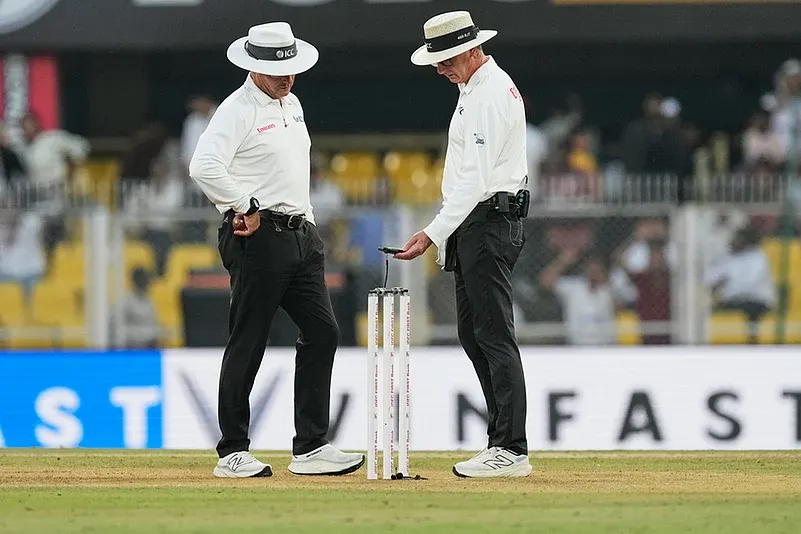
South Africa’s camp has taken a hard, curious look at the Guwahati surface ahead of the second Test, and they haven’t been shy about saying what they think. Bowling coach Piet Botha made it clear after his pitch inspection that the amount of grass still sitting on the red-soil wicket could heavily influence how the match unfolds. The big unknown is whether the curators will shave that grass down before the first ball — and Botha didn’t mince words about how much that decision matters.
According to him, the strip still holds “generous grass cover,” and a last-minute trim would completely change what kind of early assistance bowlers can expect. For South Africa, this isn’t idle curiosity. Their plans for seamers and spinners hinge on how much the surface grips, carries, or skids. Their staff seems convinced that if the grass stays, seamers will get a genuine opening session window; if it’s reduced, spin might enter the game far earlier.
Captain Temba Bavuma added to that assessment, calling the pitch “fresher” and more even-looking than the one in Kolkata. He suggested it resembles a classic subcontinental wicket: good for batting in the early days, then progressively turning. That’s a polite way of saying they expect a pitch that rewards discipline rather than chaos — something very different from the dramatic, low-scoring contest that unfolded at Eden Gardens.
The soil itself is the biggest contrast. Guwahati’s surface is built on red earth rather than the black-soil base used elsewhere, and red soil typically produces more bounce and better carry. South Africa believes this can give fast bowlers a more honest contest early in the Test, especially with the morning’s extra moisture and an earlier start time. Botha went as far as to note that the new ball could behave sharply for the first hour if the grass remains untouched.
Behind the technical talk is a simple competitive edge: South Africa wants clarity because it shapes their attack. Their seamers are prepared for swing and movement; their spinners are ready for a later role. What they don’t want is a surface that transforms overnight. Their comments show a team willing to adapt, but also keen to hold curators accountable after the Eden Gardens chaos where both sides struggled to reach even 200.
As the Test approaches, eyes will be locked on the pitch — not just its look on the eve of the match, but how much of that grass actually survives the final roll. South Africa has already delivered its verdict. Now it’s up to Guwahati’s curators to reveal the final script.
12BET Shortlisted for Sportsbook Operator of the Year at SBC Awards 2025