

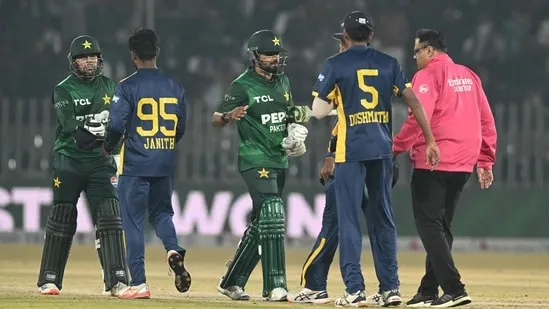
Pakistan national cricket team won the 2025 T20I Tri-Nation Series final in Rawalpindi by leaning on two assets they’ve been trying to industrialise in white-ball cricket: depth and composure. Chasing 115, Pakistan got home at 118/4 in 18.4 overs, with eight deliveries unused and zero signs of panic. Sri Lanka national cricket team, batting first, were bowled out for 114 in 19.1 overs despite an early spark from opener Kamil Mishara.
For a brief window, Sri Lanka dictated terms. Mishara’s 59 off 47 was not just fluent, it was proof of blueprint — target the power-surge overs, back the intent, and ride a partnership-led approach. The opener built a productive 50-run stand early on that forced Pakistan to rethink field shape and phase the spin deployment faster than planned. For a team that’s historically lived and died by top-order shocks, Sri Lanka’s start was an audition for a more progressive identity.
But finals don’t reward auditions; they crown executions. Once spin arrived, Sri Lanka’s script shredded. Mohammad Nawaz’s 3/17, combined with ruthless support from Shaheen Shah Afridi (3 wickets) and Abrar Ahmed (2 wickets), tipped 84/2 into a 114-run surrender. The collapse was ugly for Sri Lanka, but it was instructive for Pakistan: don’t overload on pace narratives, carry spin that hunts wickets, and do it early enough to create scoreboard pressure rather than simply contain.
The chase was where Pakistan made their own statement. The 46-run opening stand from Saim Ayub (36 off 33) and Sahibzada Farhan (23 off 18) was built to remove doubt, not inflate ego. They rotated strike against spin instead of premeditatedly swinging through it, kept the asking rate flat, and made the pitch play second fiddle to decision quality. When Ayub edged one too many rotations and nicked off, Pakistan didn’t blink. This was the plan’s second layer: be comfortable handing the baton.
That baton was taken by Babar Azam, unbeaten on 37 off 34. On a surface offering grip, Babar offered control — pocketing dots when the field won, piercing singles when the field lost, and cashing boundaries only when the geometry was right. He didn’t fight the pitch; he fought the match.
What defined the final 30 balls was how many hands were on the wheel. Agha Salman flicked the innings clear with late decisive strokes, Iftikhar Ahmed closed angles with experience, and Pakistan ensured every option delivered something tangible. Batting depth in T20 finals isn’t a headcount; it’s a health check. Pakistan passed theirs because it was collective, calculated, and calm.
For Sri Lanka, the collapse was a mirror they must now stare into: a good start is no longer enough if your middle order plays fear instead of phases. For Pakistan, the final delivered three future-facing conclusions. First: spin that takes wickets is gold in multi-team tournaments. Second: openers must set foundations, not tone poems. Third: being deeper isn’t about swinging last, it’s about thinking last.
12BET Shortlisted for Sportsbook Operator of the Year at SBC Awards 2025