

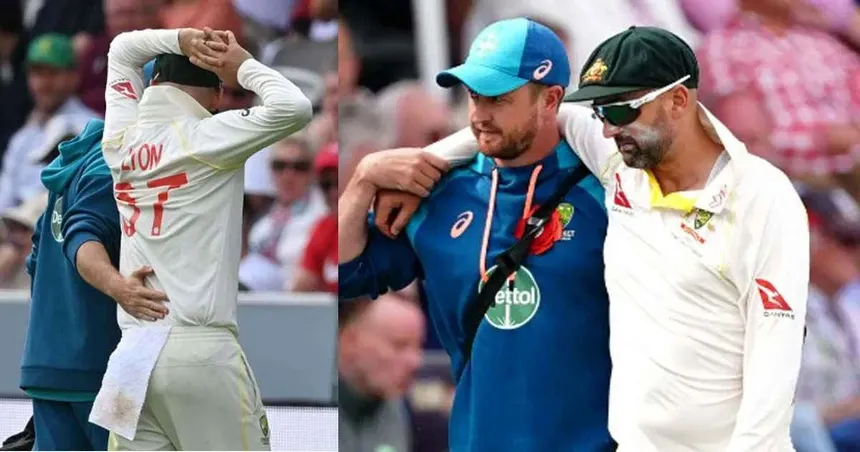
The decision to leave Nathan Lyon out of Australia’s playing XI for the second Ashes Test at The Gabba has triggered a fierce debate among former players and cricket pundits — and not without reason. Given his proven record, especially in day-night Tests, many are calling the move “short-sighted” and even “reckless” ahead of what promises to be a crucial encounter with England.
Lyon hasn’t just been any spinner; he’s been Australia’s go-to tweaker when the pink ball swings under lights, and his experience in the Ashes — particularly in high-pressure situations — has been invaluable. By omitting him, selectors have opted for a seam-heavy attack, presumably banking on pace and bounce. But critics argue that strategy neglects the subtle skillset Lyon offers — control, variation, and the ability to extract turn and reverse-swing at night, traits that often bite hardest when batters think they can cash in under lights.
One former Test cricketer remarked that excluding Lyon was akin to removing a safety net — “sure, you might get bounce, but when runs flow early, you’re left without guile in the middle overs.” Another pundit questioned whether the decision was made on form or on overconfidence, warning that Australia risk handing initiative to England if the pitch dims or the ball grips. In contexts like the Ashes, where pressure and conditions shift by session, having a spinner who knows how to handle both red and pink balls is more than a luxury — it’s insurance.
The criticism goes beyond technique. One tactical concern is that without a specialist spinner like Lyon, Australia’s bowling attack becomes one-dimensional: pace up front, pace in the middle, pace at the death. That works if wickets fall or the pitch remains flat — but in Tests, weather, pitch wear, and sessions under lights often demand variation and strategic change of pace. By dropping Lyon, Australia removes flexibility, and that may cost them if England manage to negotiate the new ball and set up a long innings.
Supporters of the decision counter that conditions at The Gabba favour seamers and that Australia expects pace to dislodge England quickly. They argue the bowling-friendly pitch and heavier seam attack are more suited to bounce and movement, not spin. Still, even among them, few dispute that removing an experienced campaigner such as Lyon increases the team’s vulnerability when the ball softens or when the match drags into deeper sessions.
In short: the debate is not about liking Lyon personally, but about judgment under conditions and circumstances. Critics believe selectors undervalued the nuance and experience that Lyon brings. They argue that in a series as important and volatile as the Ashes, in a venue where opposition batsmen have shown patience and adaptability, losing a spinner with Lyon’s pedigree might not just be a tactical gamble — it could be a mistake that haunts Australia.
With the toss around the corner and bowlers warming up in the nets, the fans and critics alike will be watching closely. If England bat deep, or if the pitch offers turn under lights, those who opposed Lyon’s exclusion may feel vindicated. And if that happens, this decision is likely to become one of the most questioned selection moves of the 2025–26 series.
12BET Shortlisted for Sportsbook Operator of the Year at SBC Awards 2025