

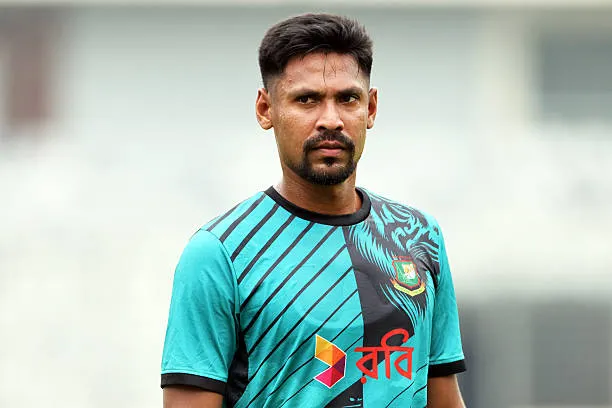
The controversy surrounding Mustafizur Rahman’s sudden exit from the Indian Premier League has taken another turn, with reports indicating that the Bangladesh pacer is unlikely to receive any financial compensation from Kolkata Knight Riders (KKR) for his cancelled contract. The development has added further fuel to an already sensitive issue, intensifying debate around player rights, franchise obligations, and the role of governing bodies in franchise cricket.
Mustafizur was released by KKR following a directive from the Board of Control for Cricket in India (BCCI), despite having been legally contracted through the IPL auction process. While the release itself triggered diplomatic and sporting backlash in Bangladesh, the absence of compensation has now become a central point of contention. For many observers, this raises questions about fairness, contractual protection, and accountability within the IPL ecosystem.
Under standard franchise contracts, players are typically compensated if released without cause, especially when availability or performance issues are not involved. In Mustafizur’s case, the termination was neither performance-related nor initiated by the player. Instead, it stemmed from external directives beyond the franchise’s control — a grey area that appears to have left the player without financial recourse.
Reports suggest that KKR acted in compliance with BCCI instructions, effectively shielding the franchise from contractual liability. This interpretation has sparked criticism, particularly in Bangladesh, where analysts and former players argue that the financial burden of such decisions should not fall on the player. They contend that Mustafizur prepared for the IPL season in good faith and lost a significant earning opportunity through no fault of his own.
The situation has broader implications for overseas players participating in the IPL. If compensation can be bypassed due to administrative or political directives, it sets a concerning precedent. Players from smaller cricketing nations may feel increasingly vulnerable, especially when non-cricketing factors influence squad decisions. This could potentially affect future auction dynamics and player willingness to commit fully without stronger contractual safeguards.
From the BCCI’s standpoint, the decision to direct KKR’s release of Mustafizur has been defended as a matter of governance rather than discrimination. However, critics argue that governance decisions should not override basic professional protections. The lack of transparency around compensation clauses has only added to the perception that the system favours institutions over individual players.
For Mustafizur, the episode has been professionally disruptive. Beyond the financial loss, the uncertainty and public scrutiny surrounding his release have been significant. While his confirmed signing with the Pakistan Super League for the 2026 season provides an immediate alternative, it does not fully offset the earnings or exposure associated with an IPL contract.
The Bangladesh Cricket Board has so far stopped short of formally challenging the compensation issue, likely wary of escalating tensions with powerful cricketing authorities. Nevertheless, public pressure continues to mount, with calls for clearer international standards governing franchise contracts and player protection.
Ultimately, the compensation question has transformed the Mustafizur episode from a selection issue into a structural one. It highlights the imbalance of power between boards, leagues, franchises, and players in modern T20 cricket. As franchise leagues continue to dominate the global calendar, the need for clearer, enforceable protections for players — especially in cases involving forced releases — has never been more evident.
12BET Shortlisted for Sportsbook Operator of the Year at SBC Awards 2025