

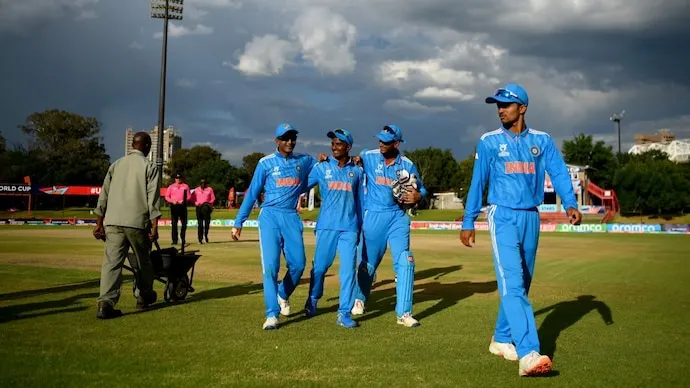
Persistent rain played spoilsport during the ICC Men’s Under-19 World Cup warm-up phase, disrupting several matches and affecting preparations for teams including hosts Zimbabwe, West Indies, and Pakistan. With conditions proving unpredictable, a number of sides were left frustrated as valuable game time slipped away just days before the tournament proper.
Warm-up fixtures are crucial at the Under-19 level, offering young players a chance to adapt to conditions, fine-tune roles, and settle nerves ahead of a high-pressure global event. However, repeated weather interruptions meant several teams were unable to execute those plans fully. Abandoned and shortened matches became a common theme, forcing coaching staffs to adjust schedules and expectations on the fly.
Zimbabwe, playing on home soil, were among the teams most affected. As hosts, they were keen to maximize match exposure and help players grow comfortable under tournament-style scrutiny. Instead, rain delays limited their on-field assessment opportunities, particularly for bowlers looking to find rhythm and batters aiming to spend extended time in the middle.
West Indies also faced setbacks as wet outfields and intermittent showers curtailed play. For a squad known for its flair and athleticism, the lack of uninterrupted match action was a blow. Coaches had hoped to test combinations and assess players in different pressure scenarios, especially in the middle overs. Instead, much of that evaluation had to be shifted to net sessions and internal practice games.
Pakistan’s preparations were similarly disrupted. Their warm-up schedule was designed to help the side settle after travel and adjust to local conditions, but rain interruptions meant limited exposure to match intensity. With a mix of experienced youth internationals and newer faces, Pakistan would have preferred more competitive overs to sharpen decision-making and execution.
Despite the setbacks, teams have tried to extract positives from the situation. Coaching staff emphasized flexibility and mental readiness, reminding players that weather interruptions are part of tournament cricket. Many squads used the downtime to focus on strategy meetings, video analysis, and fitness work, ensuring preparation continued off the field even when play was halted.
Tournament officials and ground staff worked consistently to get matches underway whenever possible, but safety and playing conditions remained the priority. With multiple venues hosting warm-ups simultaneously, the widespread nature of the rain made scheduling adjustments difficult.
The disruptions have also highlighted an important aspect of youth tournaments: adaptability. Players who can stay focused despite delays, long waits, and uncertainty often cope better once the tournament begins. Several coaches noted that handling these frustrations is part of the learning curve at international level.
As the main competition approaches, teams remain hopeful for improved weather. The focus now shifts to making the most of remaining practice opportunities, whether through shortened matches or intensive training sessions. For sides like Zimbabwe, West Indies, and Pakistan, the challenge will be to start the tournament quickly despite limited warm-up exposure.
While rain may have interrupted preparation plans, it has not dampened ambition. The Under-19 World Cup remains a stage where momentum can be built rapidly once competitive matches begin. For these teams, adaptability — not ideal preparation — may ultimately define their tournament journey.
12BET Shortlisted for Sportsbook Operator of the Year at SBC Awards 2025