

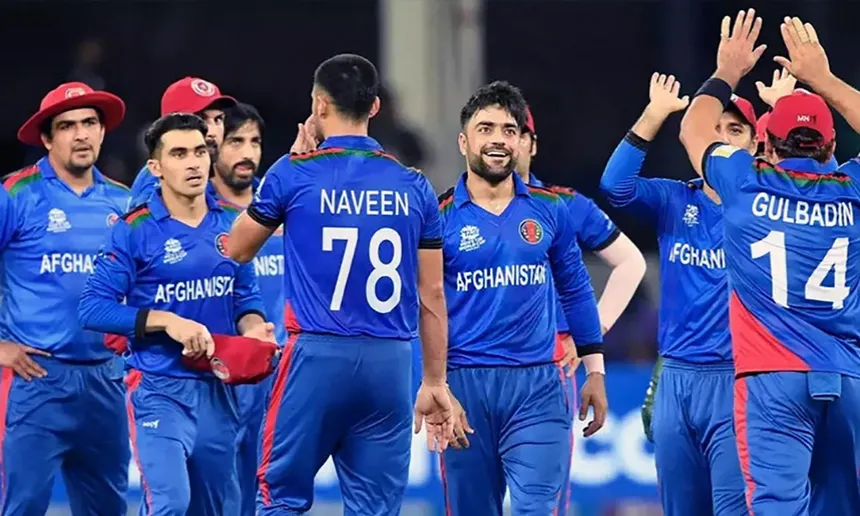
The Afghanistan Cricket Board (ACB) has officially implemented a new policy restricting its top players to a maximum of three foreign T20 or franchise leagues per calendar year, a move designed to protect player fitness, maintain availability for international fixtures, and ensure balanced workload management. This policy comes amid the increasing demand for Afghan cricketers in global T20 leagues, reflecting both their rising talent and the challenges of juggling multiple commitments.
The decision was formally approved by the ACB’s executive committee after consultations with players, coaches, and medical staff. The board cited concerns over injuries, fatigue, and the potential impact of continuous travel and congested schedules on performance at the international level. Afghan players have been among the most sought-after in leagues such as the IPL, BBL, PSL, and SA20, and while their participation boosts their exposure and income, the board believes a limit is necessary for long-term sustainability.
Under the new policy, any player contracted by the ACB as a “top-tier” international cricketer will need approval before participating in more than three foreign leagues in a single year. These approvals will be granted based on factors such as tournament dates, international match schedules, player workload, and recovery periods. Players exceeding this limit without approval may face fines or suspension from ACB-sanctioned domestic or international competitions.
The ACB emphasized that the rule aims to strike a balance between enabling players to benefit from global exposure and ensuring Afghanistan remains competitive in international cricket. In recent years, Afghan players like Rashid Khan, Mohammad Nabi, and Mujeeb Ur Rahman have become linchpins in global T20 leagues, earning reputations as match-winners. Their performances have brought recognition to Afghan cricket, but repeated participation in overlapping tournaments had started to raise concerns about injuries and burnout.
Medical and coaching staff will monitor player fitness throughout the year, providing recommendations to the board about suitability for additional leagues. Workload management, recovery periods, and physical assessments will play a role in determining approvals. The policy also encourages players to prioritize international commitments, particularly in ICC events, bilateral series, and domestic Afghan competitions like the Shpageeza Cricket League.
The move has been met with mixed reactions from players and franchises. While franchises welcome the continued participation of Afghan stars, some understand the necessity of limiting commitments to safeguard health and performance. Players themselves have reportedly expressed support, recognizing that controlled schedules can prolong careers and improve consistency on the international stage.
Analysts believe this step by the ACB aligns with broader global trends in player management. Many boards, including those in India, Australia, and England, have implemented restrictions or guidelines to ensure elite players are available for international duties while reducing injury risk from overexposure in franchise cricket. For Afghanistan, which has grown rapidly in stature on the global stage, this policy also signals professional governance and long-term strategic planning.
The ACB cap of three foreign leagues per year represents a strategic move to balance player well-being, performance, and international competitiveness. With Afghan cricketers now firmly established in the T20 landscape, this policy seeks to ensure they remain available, fit, and at peak form for their national team while still participating in global leagues in a sustainable and managed way.
12BET Shortlisted for Sportsbook Operator of the Year at SBC Awards 2025