

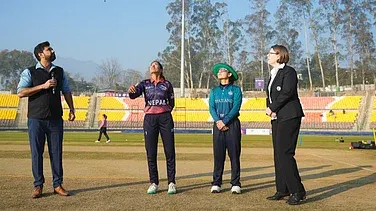
The ICC Women’s T20 World Cup Qualifier action rolled on in Kathmandu, with another important day of matches shaping the race toward qualification for the 2026 Women’s T20 World Cup. The spotlight was firmly on USA Women vs Namibia Women and Bangladesh Women vs Papua New Guinea Women, as teams continued to test combinations, manage pressure, and adapt to sub-continental conditions.
The tournament has already underlined the growing depth in women’s international cricket, and these fixtures reflected contrasting objectives. For emerging teams like the USA and Namibia, the qualifiers are about momentum, belief, and proving they can compete consistently at this level. For Bangladesh, one of the stronger sides in the field, the challenge is different — delivering dominant performances while avoiding complacency.
In the clash between USA Women and Namibia Women, both teams entered knowing that every point matters. USA Women have shown steady progress over the past few years, particularly in structured batting and improved fielding standards. Their focus in Kathmandu has been on building partnerships rather than chasing quick runs, an approach that suits the slightly slower pitches on offer.
Namibia Women, meanwhile, have built a reputation for disciplined bowling and sharp athleticism in the field. Against USA, their plan revolved around early breakthroughs and forcing mistakes through sustained pressure. The match showcased a competitive balance, with momentum swinging as both sides adjusted to conditions, highlighting how evenly matched the associate nations have become.
The second fixture, Bangladesh Women vs Papua New Guinea Women, carried a very different dynamic. Bangladesh came in as clear favourites, with greater international exposure and a more experienced core. Their approach was professional and methodical, aiming to dominate key phases of the game rather than simply overpower their opponents.
Bangladesh’s batting depth once again came into focus, with an emphasis on rotating strike during the middle overs and accelerating late. Their bowlers, particularly the spinners, exploited the Kathmandu surface effectively, using variations in pace and flight to restrict scoring opportunities. Fielding intensity remained high, underlining Bangladesh’s intent to treat every qualifier match as preparation for World Cup-level cricket.
For Papua New Guinea Women, the match represented a valuable learning opportunity. While results can be tough against higher-ranked teams, PNG’s players have shown resilience and flashes of skill throughout the qualifiers. Facing sides like Bangladesh helps accelerate development, exposing areas that need improvement — particularly in strike rotation and handling spin under pressure.
Beyond individual matches, the Kathmandu leg of the qualifiers has highlighted key themes. Fitness, adaptability, and mental discipline have emerged as decisive factors. Teams that can quickly read conditions and adjust plans have gained an edge, while rigid strategies have been punished.
The qualifiers also serve a broader purpose for the women’s game. They offer visibility to associate nations, encourage investment at grassroots level, and provide players with high-pressure international exposure. Several performances in this tournament are likely to influence future bilateral series and domestic league opportunities.
As the ICC Women’s T20 World Cup Qualifier progresses, matches like USA vs Namibia and Bangladesh vs Papua New Guinea continue to shape the standings and the narrative. With every game carrying qualification implications, the competition in Kathmandu is intensifying — and the road to the 2026 Women’s T20 World Cup is becoming clearer, one match at a time.
12BET Shortlisted for Sportsbook Operator of the Year at SBC Awards 2025