

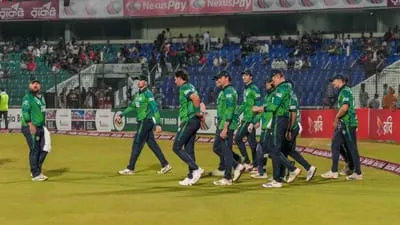
Cricket Ireland has firmly refused to support any alteration to the ICC Men’s T20 World Cup 2026 group schedule, despite Bangladesh’s continued objections over playing matches in India. The decision adds another layer of tension to an already complex dispute involving the Bangladesh Cricket Board (BCB), the ICC, and several member nations, with tournament participation now under an uncomfortable cloud.
At the heart of the issue is Bangladesh’s insistence that it cannot play its scheduled World Cup matches in India, citing security concerns and diplomatic sensitivities. In response, informal discussions emerged around possible group swaps or scheduling adjustments that could minimize Bangladesh’s matches in India without formally relocating the tournament. Cricket Ireland was one of the boards approached regarding these contingency ideas — and it has said no.
Ireland’s stance is clear and blunt: the integrity of the tournament structure cannot be compromised to accommodate a single member’s objections once the schedule has been finalized. From Cricket Ireland’s perspective, changing groups or fixtures would unfairly affect teams that have prepared based on the confirmed draw, including travel plans, player workloads, and strategic planning.
Officials within the Irish board have emphasized that the ICC-approved schedule represents a collective agreement among members. Reopening it now would set a dangerous precedent, encouraging future disputes whenever geopolitical or administrative issues arise. In short, Ireland believes that once a global tournament reaches this stage of planning, flexibility must give way to certainty.
This refusal significantly deepens the stand-off. Bangladesh has already doubled down publicly, reiterating that it will not play World Cup matches in India under current conditions. With Cricket Ireland shutting the door on group reshuffles, Bangladesh’s options narrow further — either reach a direct resolution with the ICC or risk isolation within the tournament framework.
The ICC, for its part, has been trying to contain the situation without appearing to bend governance rules. It has already rejected formal requests to move Bangladesh’s matches out of India and has reportedly explored domestic venue adjustments within India as a compromise. However, those measures fall short of Bangladesh’s demands, and now the lack of support from fellow boards like Cricket Ireland strengthens the ICC’s position.
From a broader tournament perspective, Ireland’s decision reflects a growing frustration among member nations. Many boards privately fear that allowing one exception could unravel the logistical balance of a multi-host World Cup involving dozens of matches, broadcasters, sponsors, and security agencies. For smaller boards especially, stability and predictability are non-negotiable.
The standoff also raises uncomfortable questions about Bangladesh’s eventual participation. While a withdrawal remains unlikely due to the sporting and financial consequences, the increasingly rigid positions on both sides suggest that brinkmanship is replacing quiet diplomacy. That is a risky path so close to a global event.
Cricket Ireland’s refusal does not solve the problem — but it clarifies the landscape. The ICC now knows it lacks consensus among members for structural changes, while Bangladesh must decide whether to soften its stance or escalate the dispute further.
With the T20 World Cup approaching, the clock is ticking. What began as a venue concern has evolved into a test of governance, unity, and authority in international cricket. Ireland’s decision has effectively drawn a line in the sand — and how Bangladesh and the ICC respond next could define not just this tournament, but how future disputes are handled across the sport.
12BET Shortlisted for Sportsbook Operator of the Year at SBC Awards 2025