

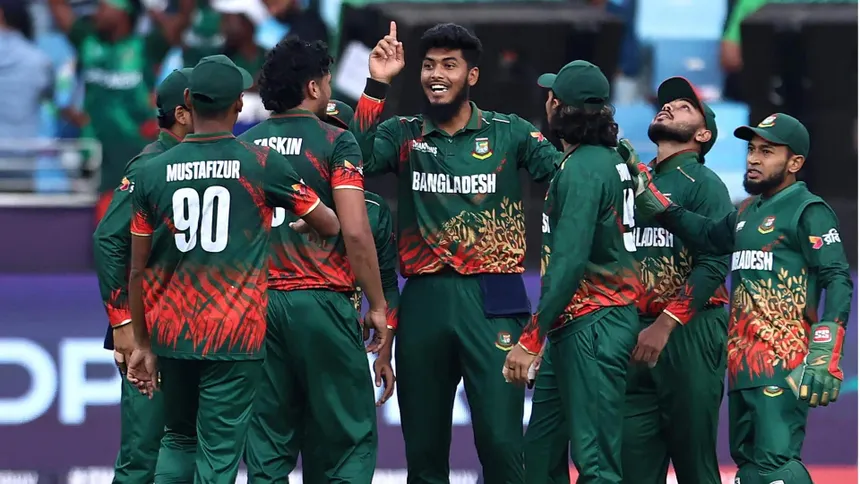
Bangladesh’s uncertainty over participation in the ICC Men’s T20 World Cup 2026 deepened after a high-level meeting involving cabinet members and cricket administrators, with no final decision announced despite the ICC’s deadline having passed. The development underscores how the issue has moved beyond cricket administration into the political and diplomatic domain, turning a scheduling dispute into a national-level decision.
The meeting brought together senior figures from the Bangladesh Cricket Board (BCB) and representatives of the government, reflecting the seriousness of the situation. Bangladesh’s refusal to play its scheduled World Cup matches in India — citing security concerns and what it has called “unreasonable conditions” imposed by the ICC — has already triggered a standoff with the global governing body. Now, with the deadline for confirmation gone, the lack of clarity only heightens tension.
Sources close to the discussions suggest the talks were wide-ranging rather than conclusive. Officials examined sporting consequences, financial implications, diplomatic sensitivities, and potential fallout if Bangladesh were to maintain its hard line. The fact that no immediate announcement followed indicates that consensus has not yet been reached — or that the stakes are too high for a rushed decision.
From the cricket board’s perspective, the dilemma is stark. Participation in a T20 World Cup is critical not just for competitive reasons but also for revenue, global exposure, and the development of players. A prolonged absence or forced compromise could have long-term consequences for Bangladesh cricket. At the same time, the BCB is under pressure to align with broader national concerns, particularly where player safety and political optics are involved.
The ICC, meanwhile, has held firm. It has already rejected Bangladesh’s request to move matches out of India and has received public backing from other member boards, including Cricket Ireland, which refused to entertain schedule or group reshuffles. That growing international resistance has narrowed Bangladesh’s room for manoeuvre and increased the cost of continued defiance.
What makes this situation especially delicate is the involvement of the cabinet. Once government ministers are formally engaged, the decision ceases to be purely administrative. Any eventual outcome — whether participation, partial compromise, or continued refusal — will carry political accountability as well as sporting consequences.
Players find themselves in an uncomfortable limbo. Preparation cycles, workload planning, and mental focus all depend on certainty. While no player has publicly challenged the board’s stance, uncertainty at this scale inevitably affects morale and readiness, especially with a global tournament approaching.
The missed ICC deadline adds urgency but not necessarily finality. The ICC is unlikely to escalate immediately, preferring dialogue over confrontation, but patience is not unlimited. Potential penalties, forced forfeits, or reputational damage remain theoretical but real risks if clarity does not emerge soon.
For Bangladesh, this is now a defining moment. A decision to participate would likely require accepting conditions previously rejected, risking criticism at home. A continued refusal could isolate the board internationally and damage the country’s cricketing interests. Neither path is cost-free.
12BET Shortlisted for Sportsbook Operator of the Year at SBC Awards 2025