

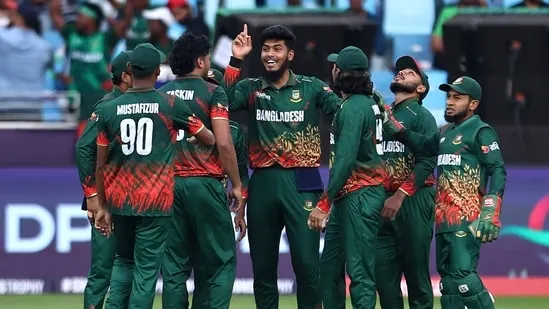
Bangladesh’s T20 World Cup impasse has taken a new turn, with players openly expressing a strong desire to compete in the ICC Men’s T20 World Cup 2026 in India, creating significant internal pressure on the Bangladesh Cricket Board (BCB) to find a resolution. The development exposes a widening gap between administrative stance and player ambition, adding urgency to a dispute that has already escalated to the highest levels of global cricket governance.
Several senior Bangladesh players, speaking privately and through indirect channels, have made it clear that they want to play in the World Cup regardless of the political and administrative tensions surrounding the venue. For many, the 2026 tournament represents a career-defining opportunity — particularly for experienced campaigners who may not get another World Cup at their peak.
The players’ position is rooted in professional reality. A T20 World Cup offers unmatched competitive exposure, global visibility, and legacy value. Missing the tournament would not only affect Bangladesh’s standing as a cricketing nation but could also have lasting consequences for individual careers, central contracts, sponsorships, and post-retirement opportunities. That reality has sharpened voices within the dressing room.
This internal pressure complicates the BCB’s hardline public stance. The board has repeatedly cited security and political concerns as reasons for refusing to travel to India, maintaining that assurances received so far are insufficient. However, with players now signaling their willingness to tour, the BCB faces a credibility challenge: defending a decision that directly contradicts the aspirations of those most affected.
The situation also raises uncomfortable questions about player agency in Bangladesh cricket. While boards traditionally make touring decisions, modern international cricket increasingly recognizes players as key stakeholders. A prolonged standoff that sidelines players from a World Cup risks damaging trust between the board and the squad.
Sources close to the team suggest that informal discussions between senior players and BCB officials have already taken place. While no public dissent has emerged — players remain careful not to cross administrative lines — the message internally is clear: the team wants to play.
From the ICC’s perspective, this development strengthens its hand. The governing body has already confirmed that the T20 World Cup schedule will remain unchanged. If Bangladesh’s own players are willing to participate, the argument for relocation or withdrawal becomes harder to sustain without appearing politically driven rather than player-focused.
Other cricket boards are watching closely. A scenario where a board blocks participation against the wishes of its players could set an awkward precedent, especially in an era where leagues, unions, and player associations hold growing influence.
For the BCB, the clock is now ticking louder than ever. Continued refusal risks not only ICC sanctions and financial penalties, but also internal fallout — fractured relationships, player dissatisfaction, and potential long-term damage to Bangladesh’s cricketing structure.
The standoff is no longer just Bangladesh versus the ICC. It is increasingly BCB versus its own dressing room.
12BET Shortlisted for Sportsbook Operator of the Year at SBC Awards 2025