

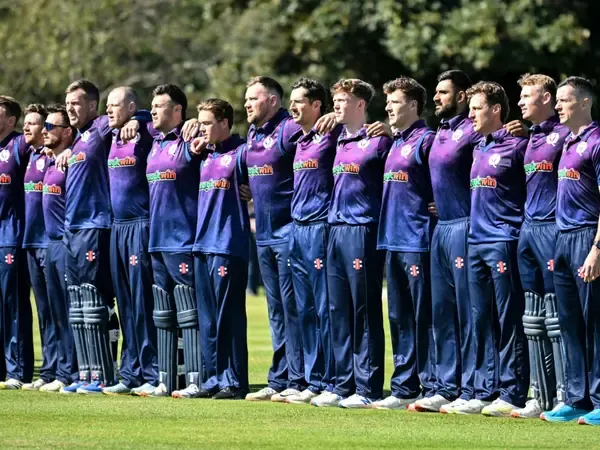
Bangladesh’s participation in the ICC Men’s T20 World Cup 2026 now appears to be in serious jeopardy, with the Bangladesh Cricket Board (BCB) reportedly missing the ICC’s formal deadline to confirm its participation. The failure to provide confirmation has placed Bangladesh on the brink of forfeiting its spot in the tournament — a dramatic development that could see Scotland step in as a replacement.
The situation marks a sharp escalation in what has been a long-running standoff between the BCB and the ICC over Bangladesh’s refusal to travel to India, the host nation for the 2026 World Cup. While the BCB has repeatedly cited broader concerns beyond cricketing logistics, the ICC has maintained that all venues, security arrangements, and operational requirements have been fully approved.
By missing the confirmation deadline, Bangladesh may have crossed a critical line. ICC tournaments operate on strict timelines to protect scheduling, broadcast commitments, and commercial agreements. Once deadlines lapse without formal confirmation, the governing body is empowered to initiate contingency plans — including replacing non-compliant teams.
Sources around the ICC suggest that Scotland are the leading candidates to take Bangladesh’s place if the withdrawal is formalized. Scotland narrowly missed direct qualification and are next in line based on the ICC’s qualification structure and recent competitive performances. Their inclusion would ensure the tournament proceeds without structural disruption.
From the ICC’s perspective, the issue is no longer political or diplomatic — it is procedural. The governing body has already reiterated that the Men’s T20 World Cup 2026 schedule will not be altered, and no venue swaps will be entertained. Allowing Bangladesh to delay confirmation indefinitely would undermine the authority of ICC governance and create a dangerous precedent for future events.
Internally, the fallout for Bangladesh cricket could be severe. Players have openly expressed a strong desire to play in the World Cup, viewing it as a non-negotiable career milestone. Missing the tournament would not only deny them global exposure but could also affect rankings, contracts, and long-term development.
Financial consequences are also significant. Participation in an ICC World Cup guarantees revenue shares, sponsorship exposure, and broadcast-related income. Forfeiting a spot would likely trigger financial penalties and long-term commercial damage for the BCB.
Politically, the decision places the BCB under intense scrutiny at home. Public opinion has increasingly shifted toward participation, especially after the ICC cleared Indian venues such as Eden Gardens and reiterated that security protocols meet international standards. The perception that Bangladesh has isolated itself from the global cricketing ecosystem could have lasting repercussions.
For Scotland, the situation represents an unexpected opportunity. Inclusion in a World Cup would be a major boost for Scottish cricket, offering invaluable experience against top-tier opposition and accelerating their development on the global stage. While replacing a full-member nation is never ideal, Scotland’s recent performances suggest they would be competitive rather than ceremonial participants.
As things stand, the ICC has not yet issued a final, public confirmation of Bangladesh’s removal. However, missing the deadline is a decisive moment, and the window for reversal is rapidly closing. Any last-minute attempt by the BCB to re-enter would now require ICC approval rather than automatic acceptance.
12BET Shortlisted for Sportsbook Operator of the Year at SBC Awards 2025