

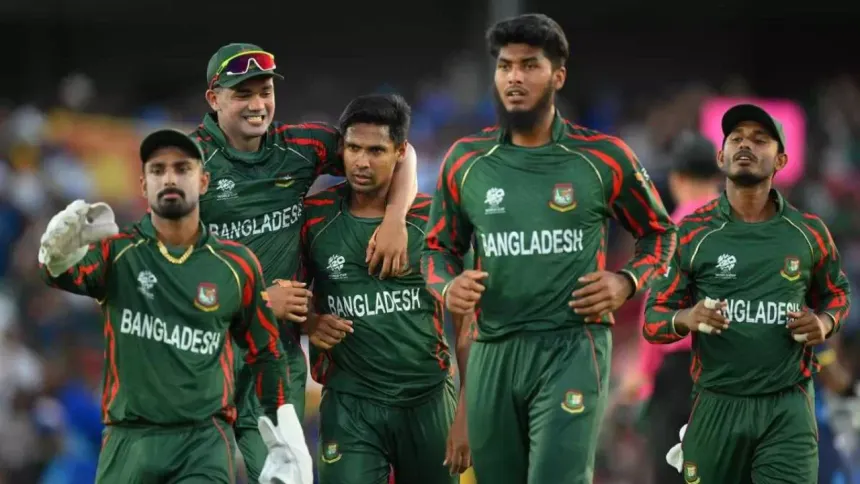
Bangladesh cricket has entered one of its most turbulent phases in recent history, with players publicly urging authorities to “save cricket” as uncertainty grows over the country’s participation in the ICC Men’s T20 World Cup 2026. What began as a dispute over venues and logistics has now escalated into a full-blown crisis that threatens to derail the careers of players and damage the nation’s standing in global cricket.
At the heart of the issue lies Bangladesh’s refusal to play its scheduled T20 World Cup matches at the originally allotted venues. The Bangladesh Cricket Board (BCB), backed by government concerns, sought a shift of venues citing security and diplomatic sensitivities. The International Cricket Council, however, stood firm, stating that all assessments had found no exceptional risk and that changing venues so close to the tournament would disrupt the competition’s integrity and planning.
As talks stalled, the situation worsened. The ICC made it clear that participation was contingent on Bangladesh adhering to the agreed schedule. With deadlines passing and no resolution in sight, contingency plans were activated, putting Bangladesh’s place in the tournament under serious threat. The prospect of being replaced sent shockwaves through the country’s cricketing ecosystem.
Caught in the middle are the players — largely powerless, yet the ones who stand to lose the most. Senior and younger cricketers alike have expressed deep frustration, with some delivering emotional appeals to protect the future of the sport. Their plea to “save cricket” is not just about one tournament, but about the long-term consequences of administrative deadlock and political entanglement.
For Bangladesh’s players, missing the T20 World Cup would be devastating. The tournament represents not only global exposure but also career-defining opportunities, commercial prospects, and a chance to compete against the best in the world. Several players are at their peak, while others may never get another chance to play on cricket’s biggest T20 stage.
The crisis has also laid bare deeper structural problems within Bangladesh cricket. Players have long complained about governance issues, lack of transparency, and decisions being taken without their consultation. Recent administrative controversies within the BCB have only amplified the feeling among cricketers that their voices are ignored when it matters most.
Public reaction in Bangladesh has been intense. Fans, former players, and analysts have questioned whether the handling of the situation reflects poor diplomacy and strategic misjudgment. Many believe the standoff has shifted focus away from cricketing performance and towards off-field conflict, damaging Bangladesh’s reputation as a reliable international cricketing nation.
Internationally, the episode has raised concerns about precedent. The ICC’s firm stance signals that participation in global tournaments cannot hinge on last-minute political or administrative demands. While security is always a priority, governing bodies are wary of allowing disputes to undermine the structure of global events.
As the countdown to the 2026 T20 World Cup continues, Bangladesh cricket stands at a crossroads. Either a last-minute compromise restores their place and calms tensions, or the country risks isolation at the highest level of the sport. The players’ plea to “save cricket” captures the urgency of the moment — a stark reminder that beyond boards and politics, it is the cricketers and fans who ultimately bear the cost of prolonged uncertainty.
12BET Shortlisted for Sportsbook Operator of the Year at SBC Awards 2025