

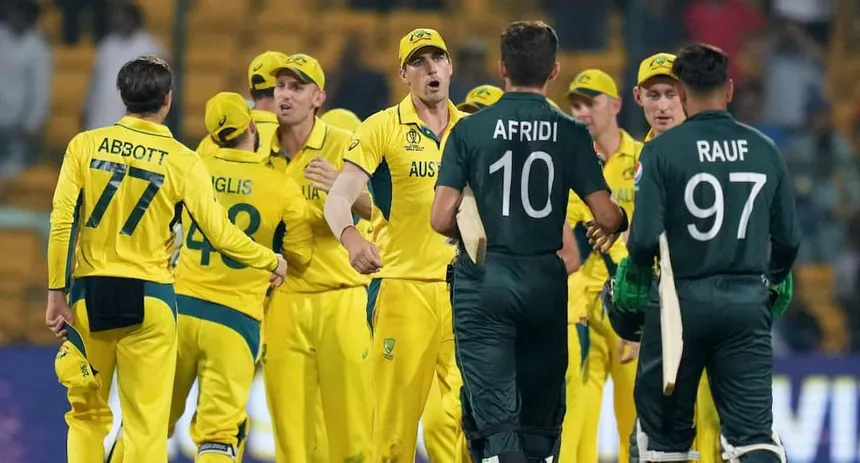
The Pakistan vs Australia three-match T20I series has kicked off in Lahore, serving as a key lead-in to the ICC Men’s T20 World Cup 2026 and offering both teams a final competitive platform to fine-tune combinations and strategies before the global event starts in early February. The series is being watched closely not just for its cricketing content, but also amid continuing uncertainty around Pakistan’s participation in the T20 World Cup — a situation linked to pending administrative approvals.
Pakistan’s lineup features a blend of experience and youth with captain Salman Ali Agha leading the side and the returns of senior stars Babar Azam and Shaheen Shah Afridi bolstering the unit. Azam missed the preceding Sri Lanka series while playing in the Big Bash League (BBL), and Afridi comes back after recovering from a knee injury. The squad mix reflects Pakistan’s intent to balance batting depth and bowling firepower — with players like Saim Ayub, Fakhar Zaman, Mohammad Nawaz, Shadab Khan and promising quicks like Naseem Shah and Abrar Ahmed included.
Australia have opted for a somewhat rotated side, partly due to scheduling pressures following the BBL. Mitchell Marsh leads the visiting side, but not all first-choice players are featuring in every match, with some senior names rested or unavailable for the opening games. Debut opportunities have opened up for players like Matt Renshaw, Jack Edwards and Mahli Beardman, while experienced campaigners such as Adam Zampa and Xavier Bartlett add balance.
The opening T20I at Gaddafi Stadium set the tone for the contest. Pakistan posted 168 for 8, with Saim Ayub top-scoring (40 off 22) and captain Salman Ali Agha providing crucial support. Pakistan’s bowlers then defended that total, restricting Australia to 146 for 8, giving the hosts a 22-run win and an early 1–0 series lead. Ayub was one of the standout performers — contributing with both bat and ball — while Australia’s Adam Zampa grabbed four wickets even in defeat.
Tactically, Pakistan have shown discipline with the ball and willingness to bat deep, using early partnerships to set defendable totals. Their spin and middle-overs bowling stood out in the first match, and their ability to back up results with controlled plans bodes well ahead of the World Cup.
Australia, meanwhile, are managing workloads carefully. Captain Marsh has acknowledged that some players weren’t fully ready due to the tight turnaround from domestic cricket, but he has expressed confidence in his side’s ability to adjust quickly. The early mixture of experience and fresh talent reflects Australia’s broader tactical goal of testing depth while staying competitive.
The series, played under lights at 4 pm local time, has a broad broadcast footprint. In Pakistan, matches are available live on PTV Sports with studio coverage by PitchSide Studio featuring expert analysis. Streaming options include Tamasha, Tapmad and Myco locally, while international viewers can tune in via T Sports (Bangladesh), Willow (North America), SuperSport (Africa), Fox Sports (Australia) and PCB Live (UK). A commentary panel featuring former internationals enriches the viewing experience.
There is, however, a notable broadcast absence in Australia, where major networks opted out of televising the series due to late-night scheduling and anticipated low local viewership, underscoring the challenges of global scheduling amid a packed cricket calendar.
With two matches to go after the opener, the series still has room for momentum swings and tactical evolution. For Pakistan, building confidence and continuity in combinations is critical, especially with World Cup spots looming. For Australia, the priority is adapting rising talents into match situations while refining their strategies against spin and subcontinental conditions.
12BET Shortlisted for Sportsbook Operator of the Year at SBC Awards 2025