

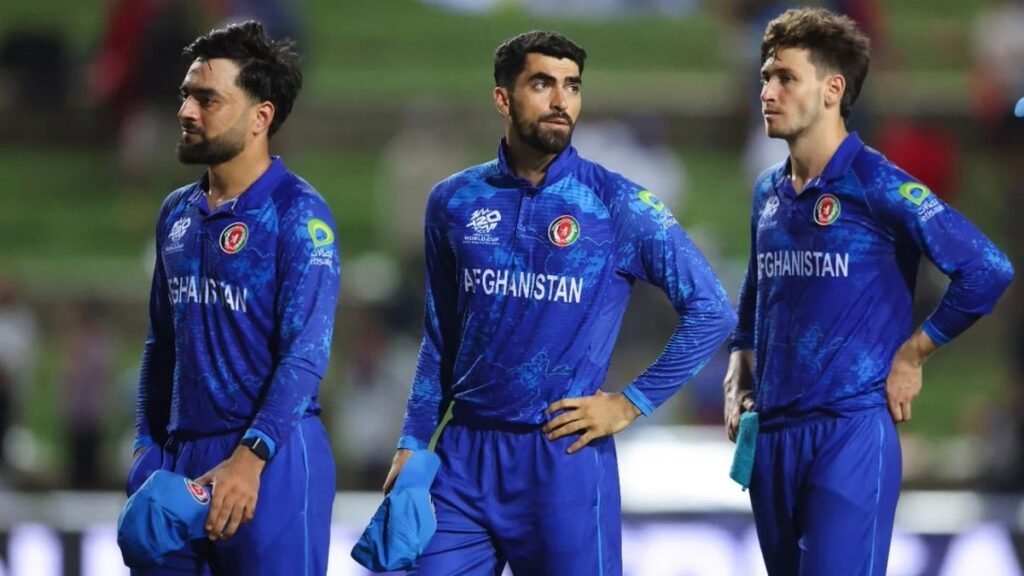
In a dramatic and distressing turn of events, Afghanistan has announced its withdrawal from the upcoming T20 Tri-Series in Pakistan, citing security concerns following deadly airstrikes in the Paktika province of Afghanistan. The decision comes in the wake of a tragic incident in which three young Afghan cricketers — Kabeer Agha, Sibghatullah, and Haroon — lost their lives after returning from a local cricket match. The loss of these promising talents has sent shockwaves through the cricketing world and prompted the Afghanistan Cricket Board (ACB) to prioritize the safety of its players above all else.
The airstrikes, widely described as cowardly and senseless by officials and cricketing authorities, underscore the continued volatility in the region. Afghanistan’s withdrawal from the Tri-Series is a bold statement reflecting the nation’s unwillingness to compromise the safety and well-being of its athletes. The ACB made it clear that the decision was not taken lightly, but the current security situation leaves little choice for the board or the players. The move also signals a call for accountability and a protest against the continued violence affecting civilians and athletes alike.
The Afghanistan team’s pullout has been met with an outpouring of support from the international cricket community. Jay Shah, the chairman of the International Cricket Council (ICC) and secretary of the Board of Control for Cricket in India (BCCI), expressed his condolences and solidarity, stating, “Deeply saddened by the loss of three young Afghan cricketers, Kabeer Agha, Sibghatullah, and Haroon, whose dreams were cut short by a senseless act of violence. The loss of such promising talent is a tragedy not just for Afghanistan but for the entire cricketing world. We stand in solidarity with the Afghanistan Cricket Board and all those mourning this heartbreaking loss.” Such statements reflect the global cricket community’s shared grief and concern over the safety of players in conflict-prone regions.
The withdrawal from the Tri-Series has significant implications for Afghanistan cricketing calendar. The team had been preparing to compete against some of the strongest cricketing nations, with hopes of giving exposure to emerging players and furthering the development of the squad ahead of major international competitions. This sudden decision interrupts their competitive rhythm and poses challenges in terms of maintaining match fitness, morale, and international ranking. However, the ACB emphasized that the safety of players takes precedence over all sporting ambitions.
This development also shines a spotlight on the vulnerability of sports in regions affected by conflict. The deaths of Kabeer Agha, Sibghatullah, and Haroon represent not just a personal tragedy for their families but also a loss of potential for Afghanisthan cricket, which has been steadily rising on the world stage. The incident serves as a stark reminder of how geopolitical tensions and military actions can directly impact the lives of young athletes and the broader development of sport in affected countries.
The cricketing community has rallied in support of Afghanistan. Fellow players, cricket boards, and fans have expressed grief and extended messages of solidarity. Many hope that the situation will improve, allowing Afghan players to safely return to international competition. For now, the focus remains on mourning the loss of the three young cricketers and advocating for their protection.
Afghanistan withdrawal from the Tri-Series is a somber but necessary step, emphasizing the human cost of conflict and the responsibilities of governing bodies to safeguard athletes. The nation has prioritized life over sport, sending a clear message about the importance of security, respect, and international attention to the ongoing challenges faced by Afghan cricket. The cricketing world watches and stands united in grief, solidarity, and hope for a safer future.