

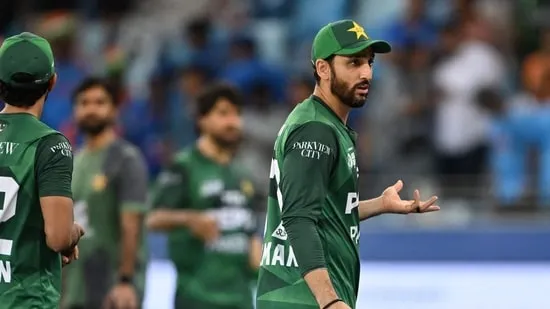
Pakistan may have booked their spot in the Asia Cup Super Four, but captain Salman Ali Agha and legendary fast bowler Wasim Akram believe the team’s batting still leaves much to be desired. After Pakistan’s 41-run win over the UAE, both men voiced concerns that the performance was not convincing enough, particularly with a rematch against India looming.
Salman Ali Agha, leading Pakistan through a crucial phase of the tournament, admitted that while the result was important, the manner of victory did not inspire complete confidence. He singled out the middle order for failing to rotate strike effectively and build pressure-relieving partnerships. According to Agha, the team left at least 20–30 runs on the table and must learn to consolidate in the middle overs rather than rely on late hitting to save the innings. “Against India, those lapses will hurt more. We need to be clinical,” he said.
The captain’s remarks are a clear signal that Pakistan is not content with just progressing—they want to dominate. The batting lineup, which has shown flashes of brilliance but little sustained consistency, remains the biggest question mark. With players like Mohammad Haris and Saud Shakeel under scrutiny, Agha’s call for improvement could prompt tactical tweaks, such as shuffling the batting order or giving a longer run to in-form finishers.
Wasim Akram, meanwhile, did not mince words in his assessment. The former skipper said he felt “down and depressed” watching Pakistan’s batting in this tournament, even in matches they have won. He criticised their inability to read spinners, poor shot selection, and failure to adapt to changing match situations. Referring to the heavy loss against India in the group stage, Akram said Pakistan’s middle order had looked clueless against Kuldeep Yadav’s variations and warned that a repeat performance in the Super Four would lead to another one-sided result.
Akram also questioned Pakistan’s mindset, saying that too many batters are playing for survival rather than taking control of the innings. “You can’t just look to hang in there against top sides—you have to put pressure back on them,” he said. His comments echo long-standing concerns about Pakistan’s batting approach under pressure, especially in tournaments where net run rate and margins of victory can become decisive.
With another clash against India around the corner, these warnings could not have come at a more critical time. Pakistan’s bowlers have largely delivered, but unless the batting unit steps up and produces a complete performance, they risk being outplayed by sides that seize momentum early.
For Pakistan, the message is clear: simply qualifying for the Super Four is not enough. Agha’s insistence on middle-order discipline and Akram’s blunt criticism underline the urgency of raising standards. The upcoming match against India will be a true test of whether this team can translate potential into performance when it matters most.
12BET Shortlisted for Sportsbook Operator of the Year at SBC Awards 2025