

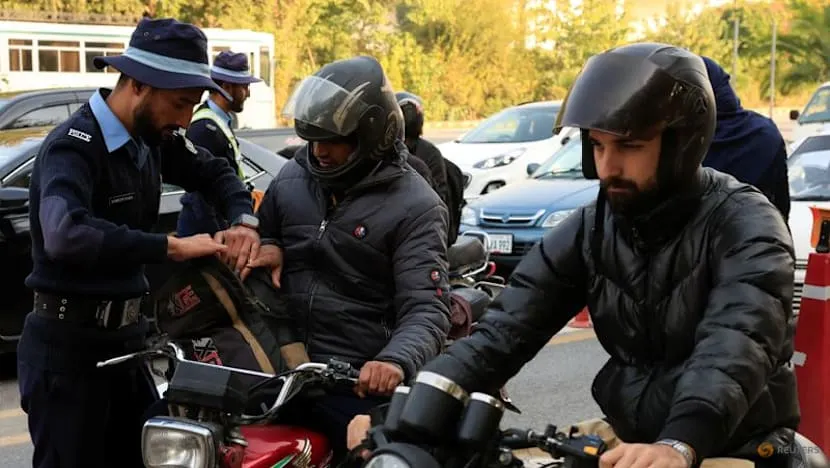
Pakistan has rolled out full military protection for the visiting Sri Lankan cricket team after the Islamabad suicide bombing that killed 12 people and rattled both governments. With the team stationed less than 10 kilometers from the blast site, officials responded with an immediate escalation of security: army units, paramilitary forces, and elite protection squads now surround the Sri Lankan contingent at every step of the tour.
The decision came directly from Pakistan’s top leadership. The interior minister, who also heads the cricket board, oversaw the move after a wave of concern swept through the Sri Lankan dressing room. Several players reportedly expressed strong reservations about staying in the country, debating whether to fly out before the series progressed. Their fear is understandable — the bombing revived one of cricket’s darkest memories.
Pakistan’s Army Chief personally assured Sri Lanka’s military leadership that the touring side would receive the highest possible protection. Security convoys, armored vehicles, and counterterror units have been deployed around team hotels, training grounds, and the Rawalpindi stadium. Officials described the arrangements as “presidential-level,” the same category used when Pakistan has hosted high-profile political delegations.
The anxiety within the Sri Lankan squad has been unusually intense. Some players were shaken enough to request an immediate exit, while others wanted the series postponed. Sri Lanka Cricket, however, decided the tour would continue, citing Pakistan’s comprehensive security overhaul and the diplomatic significance of honoring the schedule. Behind the scenes, Sri Lankan officials acknowledged the seriousness of the players’ fears but concluded that Pakistan had moved swiftly and decisively enough to stabilize the situation.
Still, the emotional weight inside the camp is undeniable, because the current moment echoes a trauma that has never fully faded. The 2009 Lahore attack remains one of international cricket’s most haunting events — a day when gunmen ambushed the Sri Lankan team bus near the Gaddafi Stadium, firing rifles, hurling grenades, and killing multiple Pakistani police officers. Several Sri Lankan players were injured, and the attack effectively shut the doors on international cricket in Pakistan for nearly a decade.
That history casts a long shadow over every security scare involving Sri Lankan players on Pakistani soil. For the older members of the cricketing world, the parallels are chilling. This time, Pakistan is determined to ensure there is no repeat. The country has invested heavily in rebuilding trust with visiting teams, and a high-profile security breach now could undo years of progress.
The rapid deployment of military forces around the Sri Lankan side is both a practical step and a symbolic one. Pakistan wants the cricket to go ahead, but even more importantly, it wants the world to see that it can protect its guests under the toughest circumstances. For Sri Lanka, the tour has become more than a sporting commitment — it is a reminder of past scars, present risks, and the fragile nature of cricketing diplomacy in the subcontinent.
As the series continues under intense security, every match plays out against a backdrop of vigilance, memory, and a shared determination to keep the game alive despite the threats that surround it.
12BET Shortlisted for Sportsbook Operator of the Year at SBC Awards 2025