

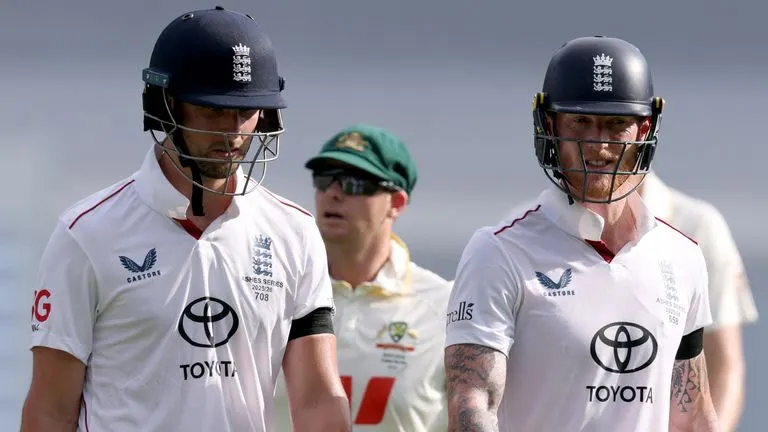
On Day 2 of the The Ashes 2025‑26 second Test at The Gabba, the Australia national cricket team showcased exactly why high-quality Test sides thrive: a blend of upfront aggression and middle-order composure that put enormous scoreboard and psychological pressure on the England national cricket team. Despite a few early dismissals, Australia ended the day at 378/6, ahead by 44 runs — and with all the control heading into the remaining days.
From the start, Australia’s approach was clear. They began with measured aggression: their opening batsmen took the initiative, setting a tone of confidence and intent. By attacking full or loose deliveries early, they unsettled the English bowlers and prevented any rhythm from being established. This kind of aggressive start in Test cricket — especially on day one or two — does more than get runs on board; it forces the bowling side to constantly defend, keeps the field spread out, and denies them the comfort of setting attacking fields. In short: it seizes momentum before the opposition can settle.
As the innings progressed, the middle order took over. In Test cricket, the middle overs are often when wickets fall and pressure builds, especially under lights or when the ball begins to reverse swing or seam. But Australia’s middle-order batters — in this case, well set and composed at the crease — provided the stability needed to absorb any bursts from England’s attack. Instead of panicking, they rotated strike, picked good deliveries to punish, and reassessed the situation with maturity. That balance — aggression up front, calm consolidation in the middle — is what gives a side real control. It drains the opposition’s energy, tests their patience, and forces errors.
What that meant for England is simple: from being in a position to fight, they were pushed into survival mode. The initial hope of early wickets — which might have tilted the momentum — was nullified. The few dismissals they’d managed weren’t enough to stop Australia from building a substantial total. And once the Australians settled, the game tilted. The scoreboard pressure began building. Instead of defending a modest total, England will now have to chase or bat under the weight of expectation, runs, and time. The psychological edge rests firmly with the hosts.
Moreover, batting deep and ending Day 2 with six wickets down but plenty more batting time left gives Australia options. They could push on for a big first innings total, or they could bat time — wear down England’s bowlers, use up overs, and leave a tough pitch for the final innings. Both strategies are dangerous for England, and both are now possible. That uncertainty itself works as a strategic weapon.
Test cricket — especially a marquee series like the Ashes — is often won not just by big totals but by timing: when you bat aggressively, when you consolidate, when you hold firm under pressure. Australia’s Day 2 innings was textbook stuff: they chose when to attack, when to defend, and they managed to extract value across phases. For England, the question now is whether they can respond — whether their bowlers can strike early, whether their batters can resist under pressure, and whether their fielders can avoid costly lapses.
12BET Shortlisted for Sportsbook Operator of the Year at SBC Awards 2025