

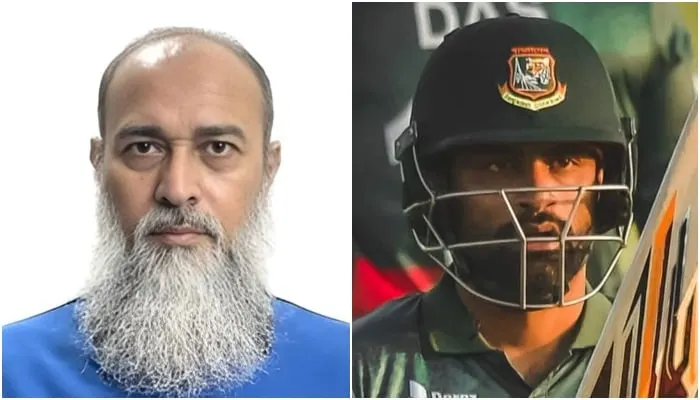
Bangladesh cricket has been plunged into fresh turmoil after a group of players reportedly demanded the resignation of a Bangladesh Cricket Board (BCB) director, warning of a potential boycott if their concerns continue to be ignored. The dramatic development highlights the deepening crisis within the country’s cricket administration, where governance issues and on-field struggles are now colliding openly.
According to reports, players are frustrated with what they see as persistent administrative interference, inconsistent decision-making, and a lack of accountability at the top level of the board. The director in question has allegedly been at the center of repeated disputes, with players accusing the administration of failing to create a stable and professional environment necessary for performance at the international level.
The threat of a boycott marks a significant escalation. While disagreements between players and boards are not uncommon, public ultimatums are rare in Bangladesh cricket and signal a breakdown in trust. Players are understood to feel that internal complaints and informal channels have led nowhere, forcing them to consider drastic measures to make their voices heard.
At the heart of the issue is a growing sense of insecurity within the dressing room. Several players believe that selection policies, team management decisions, and disciplinary actions have been influenced by politics rather than performance. This perception has damaged morale, particularly among senior players who feel their experience and input are being sidelined.
The timing could hardly be worse. Bangladesh cricket is already under pressure following inconsistent international results and ongoing off-field controversies linked to governance and scheduling disputes. The possibility of players refusing to take the field would further damage the board’s credibility and could invite scrutiny from global cricket authorities.
BCB officials, for their part, have downplayed the situation publicly, suggesting dialogue remains ongoing. However, the players’ stance indicates that patience is wearing thin. Sources suggest that unless concrete steps are taken — including leadership changes and clearer administrative boundaries — the standoff could intensify.
Former players and analysts have weighed in, warning that prolonged instability will hurt Bangladesh cricket far more than any single official stepping aside. Many have argued that modern international cricket demands professional governance structures where players feel protected, respected, and free to focus solely on performance.
The situation also raises broader questions about player power in Bangladesh. While cricketers have historically had limited influence over board decisions, the current episode suggests a shift. With franchise leagues and global opportunities expanding, players are increasingly willing to challenge domestic boards if conditions become untenable.
For young players in particular, the uncertainty is damaging. Development pathways suffer when administrative disputes dominate headlines, and confidence erodes when selection and team culture feel unpredictable. Several insiders fear that without swift resolution, Bangladesh risks losing talent or pushing players into early burnout.
Ultimately, this crisis is about more than one director. It reflects systemic issues — communication failures, blurred governance roles, and an absence of long-term vision. Whether the BCB chooses confrontation or reform will shape the immediate future of Bangladesh cricket.
If the board fails to act decisively, the threatened boycott could become a reality, turning an internal dispute into a national embarrassment. For now, the standoff stands as a stark reminder that without trust between players and administrators, performance on the field is almost impossible to sustain.
12BET Shortlisted for Sportsbook Operator of the Year at SBC Awards 2025