

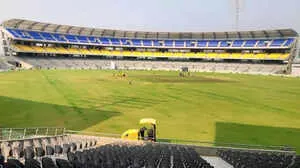
In a pioneering move to boost medical readiness in sport, the Baroda Cricket Association (BCA) has installed an automatic external defibrillator (AED) at the Kotambi International Stadium. This device — capable of analyzing heart rhythm and delivering a shock when needed — is meant to provide immediate life-saving intervention in cases of sudden cardiac arrest.
The decision comes amid growing concern about cardiac incidents among young athletes. The BCA has recognized that in high-intensity sports like cricket, where physical stress, heat, dehydration, and long hours on the field combine, emergencies can arise without warning. The Kotambi stadium lies on the outskirts of Vadodara, making rapid access to advanced medical facilities more difficult; hence, the on-site AED is intended to bridge critical minutes before more specialized medical care arrives.
BCA officials say that the AED will be kept in a strategic location within the stadium, where most domestic and practice matches are held. Coaches, physiotherapists, and support staff will receive training in its use, with emphasis on recognizing cardiac emergencies, initiating CPR, and using the AED safely and effectively. Though some staff have already been trained in cardiopulmonary resuscitation, the stress and urgency of real emergencies call for additional preparedness and practice.
Snehal Parikh, CEO of BCA, noted that the faster a person experiencing a cardiac arrest receives defibrillation, the better their chances of survival. The association’s move makes it one of the first regional cricket governing bodies in India to adopt this level of medical infrastructure within a stadium setting. By doing so, BCA aims not only to protect its cricketers but also umpires, staff, and spectators in case of emergencies.
The installation also reflects a shift in attitude: sports bodies increasingly understand that investment in medical safety is as essential as investment in playing facilities. As players push their physical limits, provisions for their protection must keep pace. The AED project is expected to act as a model for other associations across India — especially in grounds far from urban medical centres.
However, the device itself is only as good as the people who use it. The BCA’s success will depend on how rigorously training is implemented and maintained. It is one thing to place a defibrillator on the wall; quite another to ensure that in the midst of shock, stress and chaos, someone steps up confidently to use it.
In the days ahead, BCA plans to conduct drills and mock scenarios with the AED to ensure staff are ready. Periodic refresher sessions and drills will be crucial — muscle memory, familiarity, and mental readiness can make all the difference in emergencies. The AED also requires regular maintenance, battery checks, and upgrades as needed.
Sports medicine experts have long advocated for wider availability of AEDs in stadiums, gyms, schools, and athletic arenas. In many countries, such devices have become standard in modern stadiums. BCA’s decision at Kotambi is a leap in that direction for Indian cricket infrastructure.
For young cricketers in Baroda and Gujarat, this is a reassuring step. In a sport where fitness is tested over long days, sudden health events are unpredictable. Having a defibrillator on site may literally mean the difference between life and death. In installing this AED at Kotambi, BCA has sent a signal: safeguarding lives is as non-negotiable as winning matches.
12BET Shortlisted for Sportsbook Operator of the Year at SBC Awards 2025