

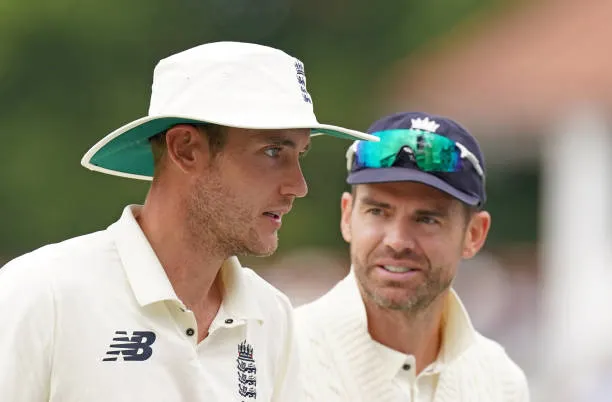
Stuart Broad has stepped into the Ashes conversation with the kind of tactical clarity England’s bowlers lacked in Perth. After Travis Head detonated the opener with a 123 that felt like a knock-out punch, Broad’s message to the visiting attack was direct and unsentimental: you don’t stop a batter like Head by hoping— you stop him by starving him.
Head’s promotion to opener for Australia in the 2025–26 Ashes opener turned England’s pre-series bowling scripts into comic relief. England prepared for him at No.5. Australia deployed him at No.1 on a bouncy Perth canvas. That single decision created a mismatch England never rebalanced, and Broad is convinced that the fix starts with workload, cadence, and strike control. His core argument? Limit Head’s exposure to one meaningful ball per over. Not one ball out of luck. One ball by design.
Broad doesn’t want England to bowl better to Head. He wants them to bowl less to him. “Let him face one ball an over,” is the brief. He can clip a single, fine. But don’t let him stand there to face four or five deliveries an over building boundary rhythm because that’s where he eats bowlers alive. It’s a plan that acknowledges the batter’s strengths without gifting him a buffet to express them. England fed him overs where he could dial in, pounce on loose lengths, and turn manageable pressure into scoreboard domination. Broad wants to deconstruct that entire feedback loop.
And the alternate end matters as much as the feeding end. Broad believes that pressure against Australia’s other batters—particularly Marnus Labuschagne, the glue at the non-Head end for large passages of that Test—had evaporated as England chased the glamour match-up instead of squeezing the chain. Broad wants England to pivot: once Head shuffles a single and hands back the strike, tighten lines, stack dot balls, and let pressure incubate at the other end. Make Australia sweat the rotation battles, not just admire the boundary reel. If Labuschagne is choked into waves of deliveries without release, even a batter like Head might start risking low-percentage shots when his turn next rolls around. Broad sees that pressure transmission as the only real tactical entry-point to forcing Head into mistakes without giving him the chance to bludgeon England into submission first.
England’s historical reliance on brute pace might get traction on Australian surfaces, but it needs a modern governing brief. The Perth pitch wasn’t a minefield. It was an examination with bounce variance. Head mastered it. England flailed against it. Broad wants to turn bounce from a threat into a tactical ally by forcing batters to play from deep creases or off back foot triggers— but with minimal deliveries to do so. That’s how you make a big-match batter feel rushed rather than resourced.
The next chance to apply this tactical rewire comes at The Gabba on 4 December. That Test will be more than a revenge session. It’s a referendum on England’s ability to adapt from theory to execution. Broad’s advice signals a shift from narrative hope to tactical command—cut down deliveries, recalibrate cadence, and stop courting the batter’s sweet spots like they owe him hospitality.
The broader lesson here is unforgiving. World Test surfaces, especially those offering steeper bounce windows, are forcing teams to evolve technique and psychology fast. India’s 201 all-out judgment failures in Guwahati were built on similar panic reflexes under bounce pressure. England’s were built on cadence generosity to a batter who thrives on rhythm. Australia smelled rhythm and pressure as their twin levers and used them without apology. England didn’t adjust once pressure exceeded their technique. Broad wants that adjustment to be intentional, minimalistic, and psychologically disruptive for the battle-hardened Australian top order.
This Ashes isn’t about who bowls fastest for five deliveries an over. It’s about who thinks quickest ball by ball while bowling fewer match-deciding deliveries to a batter who treats rhythm like oxygen. If England embrace this plan exactly for what it is—format-first, cadence-second, glamour-last—they could at least force a contest back into the series. If they don’t, Head will continue doing what he does: opening matches, ending contests, and making opposition autopsies sound eerily similar across continents.
12BET Shortlisted for Sportsbook Operator of the Year at SBC Awards 2025