

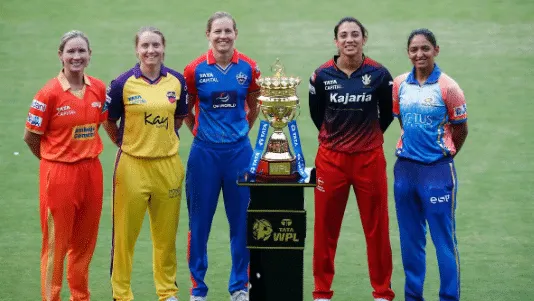
Women’s cricket isn’t growing anymore — it’s scaling, and it’s doing it the only way markets respect: revenue logic first, sentiment last. Marquee auctions, billion-rupee bidding rooms, and escalating franchise valuations are forcing a reset in how cricket economies are structured worldwide. Leagues like the Women’s Premier League 2026, run by the BCCI, are now pulling women players into contract layers once reserved for men. And it’s happening because the ecosystem itself is finally monetizable — not charitable.
The proof point is obvious. When Deepti Sharma hit the ₹3.2 crore mark at the WPL 2026 auction, it wasn’t a novelty purchase — it was a market signal. Franchises are paying for control across phases, not occasional cinema moments. That kind of money only shows up when investors believe a league can earn it back inside the balance sheet, not inside a press statement. And they do believe that now.
The commercial acceleration is being fueled by Cricket South Africa-style pressure incubation too. Domestic T20 systems like the CSA T20 Challenge sharpen the temperament that global leagues monetize for returns. Add that to India’s hosting firepower, and you get a market that finally rewards upside.
But commercial traction didn’t happen by accident, and it didn’t happen because fans suddenly got nicer. It happened because the product got better, deeper and easier to sell to sponsors. Women’s matches now deliver three clear commodities broadcasters can package: shorter games, emotional volatility, and new superstar origin stories that aren’t pre-inherited. Fan interest follows scarcity and staking — not gentle invitations. When a league pays a player 3 crore, millions suddenly care whether she scores 30 or 60. That’s interest by capital pressure, and capital pressure creates audiences.
Sponsors are following the same cold incentive curve. Brands that once kept women’s leagues at 10–15% of budget allocations are now treating them as growth product lines. Deals from financial sectors, consumer tech, airline partners, and FMCG categories are increasingly buying league visibility because the demo is expanding. Cricket is no longer just a 25-to-40-year old male product line. It’s teenagers, families, digital-first female fans, and mobile-native consumption patterns. Investors want growth charts, not nostalgia charts — and women’s cricket finally shows one.
The economic impact extends beyond India too. Competitions like the Women’s Big Bash League and regional structures under ICC reflect rising confidence that women’s cricket tournaments hold durable commercial gravity. Associate teams like Thailand Women, once considered developmental participants, are now part of competitions that shape economic psychology. These contests build pressure discipline, which indirectly elevates league valuations across borders.
Leagues are reshaping not just spending, but squad architecture too. The auction rooms revealed the new dynamic clearly: all-rounders make strategy possible, and strategy makes leagues profitable. A team anchored by a 6-over powerplay enforcer, a 4-over tension spinner, and a middle-order repair batter can win more reliably than a team filled with five social-media superstars. This model plays better in broadcast windows and sponsor decks too. Women’s cricket is finally producing cricketers who feel like economic assets, not emotional placeholders.
The cricket economy of 2026 is about pressure efficiency, not format fetishism. Domestic leagues serve as the pressure prototyping stage, and international fixtures cash in the finished product. The old approach — “invest more because it’s the right thing” — never moved valuations. The new approach is harsher and effective: “invest more because it pays.” And it does pay — stadium attendance, digital engagement, multi-crore contracts, and franchise confidence built not on legacy, but on pressure translation.
The reshaping isn’t future hypothesis anymore. It’s current friction. Women’s cricket is forcing the larger cricket economy to evolve faster, harder, smarter — and profitably.
12BET Shortlisted for Sportsbook Operator of the Year at SBC Awards 2025