

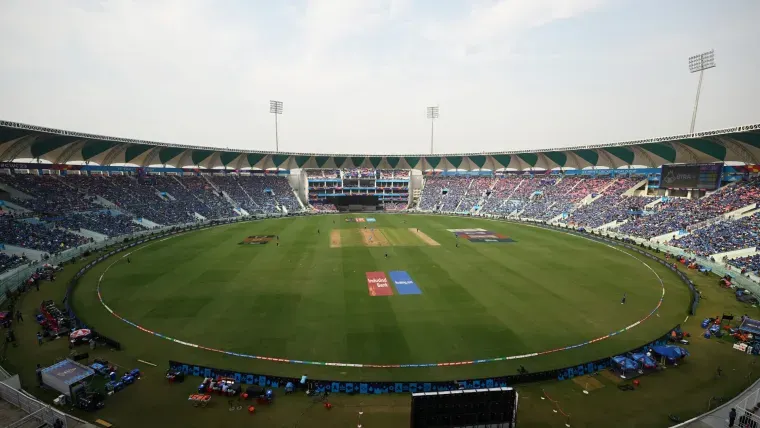
Cricket’s international and domestic landscape in 2025–26 continues to be one of the busiest in history, with overlapping Test series, ODI fixtures, T20 leagues, and domestic tournaments. This congested schedule provides players with unprecedented exposure to different formats, conditions, and competitive pressures, shaping modern cricketers into versatile athletes capable of adapting their skills across multiple contexts. The evolving calendar is both a challenge and an opportunity, demanding careful management of workload while offering avenues for talent to flourish.
On the international front, Test cricket remains a pinnacle of skill and endurance, testing technique and temperament over five-day contests. Series like the Ashes, India versus South Africa ODIs, and New Zealand versus West Indies Tests not only attract global attention but also provide players with contrasting conditions — from the swinging pitches of England to the bouncy tracks of Australia and the varied surfaces across Asia. Performing consistently in Tests builds credibility and experience, requiring mental resilience, technical precision, and strategic acumen. Players like Kane Williamson and Virat Kohli exemplify how experience in the longest format informs their performances in limited-overs cricket.
ODI cricket, meanwhile, continues to balance aggression with structure. Chases, such as South Africa’s record-equalling effort against India, demonstrate how strategic pacing, partnerships, and mental composure define success. Players now must switch seamlessly between the patience of Tests and the tempo-driven demands of ODIs, mastering both strike rotation and calculated acceleration. The modern ODI batsman or bowler is expected to understand situational awareness, reading field placements, and adapting to opponents’ strategies dynamically.
T20 leagues, including high-profile tournaments like the Indian Premier League (IPL) and International League T20 (ILT20), add a global flavor to the schedule. Franchise cricket demands instant impact, with power-hitting, innovative strokeplay, death-over bowling skills, and fielding agility taking center stage. Players like Liam Livingstone, Hardik Pandya, and Tim David exemplify how performances in T20s can define careers, offering both financial rewards and experience in high-pressure scenarios. These leagues also allow young talent to play alongside seasoned internationals, accelerating development and exposing players to diverse tactical approaches.
Domestic tournaments, such as India’s Syed Mushtaq Ali Trophy and Pakistan’s Quaid-e-Azam Trophy, remain crucial for skill development and talent identification. They provide match practice for emerging players and opportunities for international stars to regain form or adapt to local conditions. Teenagers like Vaibhav Suryavanshi, with explosive innings in domestic T20s, illustrate how domestic competitions feed the global pipeline, ensuring a steady influx of capable players for national and franchise teams.
The interconnected nature of these formats demands physical fitness, mental toughness, and adaptability. Players frequently transition between batting and bowling styles suitable for red-ball, white-ball, and T20 formats, testing versatility under varying conditions. Teams must manage player workloads carefully, balancing the need for rest with competitive commitments.
12BET Shortlisted for Sportsbook Operator of the Year at SBC Awards 2025