

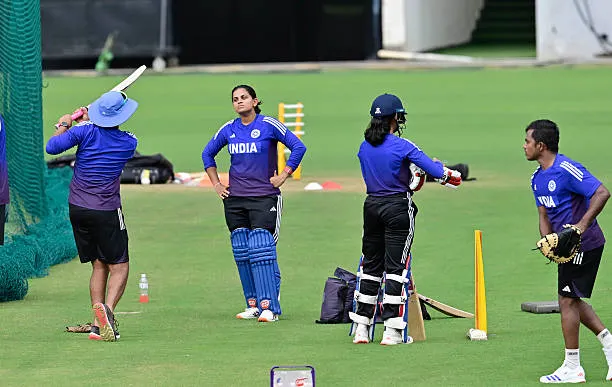
In a striking reminder about the pitfalls of success, legendary cricketer Sunil Gavaskar has urged India’s World Cup-winning women’s cricket team to remain grounded and wary of “fake promises” that often follow major triumphs. His remarks, shared during a televised interview and quoted in several cricket columns this week, sparked conversation across the sporting fraternity about accountability, governance, and the long-term treatment of women’s cricket in India.
The comments came in the wake of India’s historic victory at the 2025 ICC Women’s Cricket World Cup — a landmark that catapulted the players into instant national fame. The triumph, marked by Smriti Mandhana’s consistency and Richa Ghosh’s brilliance under pressure, has led to a flood of media appearances, public honours, and promises of financial rewards from both government bodies and sponsors. Gavaskar, however, cautioned the team to remain cautious in navigating the post-victory euphoria.
“Too often we’ve seen great achievements followed by forgotten promises,” Gavaskar said, recalling earlier instances when commitments to improve player pay, infrastructure, and grassroots systems fizzled once the media attention faded. “This team deserves every bit of recognition they’re getting — but they must also ensure those promises are kept, not just celebrated.”
His words resonate strongly within Indian cricket’s broader governance debate. The Board of Control for Cricket in India (BCCI) has announced plans to expand the women’s domestic circuit, introduce more multi-day games, and boost player contracts. However, experts have pointed out that similar announcements in past years have often faced delays or lacked transparency in execution. Gavaskar’s caution thus serves as both a message to the players and a veiled critique of cricket administration.
Behind his statement lies a historical context. From the 2017 Women’s World Cup runners-up team to the 2020 T20 World Cup finalists, many players publicly shared experiences of unfulfilled promises around facilities, central contracts, and professional pathways. This time, Gavaskar’s advice seems intended to empower the current squad to demand concrete follow-through rather than symbolic praise.
Players like Mandhana and Harmanpreet Kaur have previously advocated for stronger structural backing rather than one-time rewards. The 2025 World Cup victory has reignited optimism, but Gavaskar’s message underlines the importance of transforming that momentum into sustainable progress — better pay scales, more domestic opportunities, and equal visibility across all formats.
Reactions to Gavaskar’s comments have been mixed but largely respectful. Former cricketers, including Anjum Chopra and Mithali Raj, echoed similar sentiments, emphasizing the need for systemic consistency. Social media, meanwhile, saw fans debating whether Gavaskar’s warning was overly cautious or timely realism.
In essence, Gavaskar’s intervention cuts through the celebration to highlight the long-term stakes of the moment. The World Cup title has positioned India’s women cricketers as cultural icons, but their next test — as Gavaskar framed it — will not be on the field but in ensuring that their success reshapes the sport’s structures for good. “Winning is hard,” he concluded, “but ensuring that victory leads to lasting change — that’s even harder.”
12BET Shortlisted for Sportsbook Operator of the Year at SBC Awards 2025