

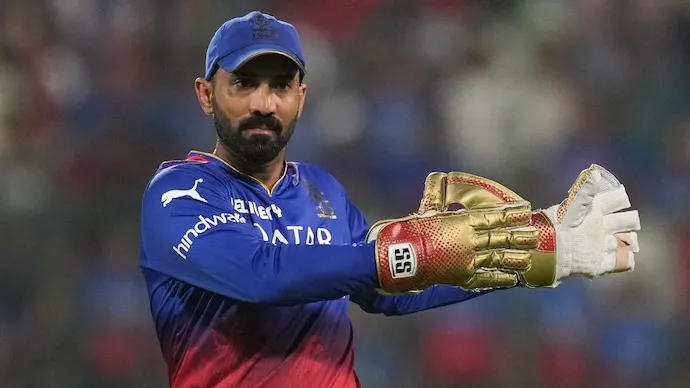
As the 2025 cricket season draws to a close, the Indian Premier League stands at a clear turning point. Reports confirming the retirement of seasoned campaigners such as Shikhar Dhawan and Dinesh Karthik have underscored a broader generational shift that will shape IPL 2026 and beyond. Their departures do not merely mark the end of individual careers; they signal the fading of an era that helped define the league’s identity over more than a decade.
Shikhar Dhawan’s retirement closes the chapter on one of the IPL’s most reliable opening batters. Known for consistency rather than flash, Dhawan built his reputation on repeatable excellence. Season after season, he delivered strong starts across franchises, anchoring innings and allowing stroke-makers around him to flourish. His calm presence at the top of the order became a template for balance in T20 batting, particularly in high-pressure matches.
Dinesh Karthik’s exit carries a different, but equally significant, weight. Few players reinvented themselves as effectively as Karthik did in the latter stages of his career. From a top-order batter to a finisher and specialist wicketkeeper, he adapted repeatedly to stay relevant in an evolving format. His late-career resurgence as a finisher was a reminder that experience, clarity of role, and mental toughness still matter deeply in franchise cricket.
Together, Dhawan and Karthik represent a generation that bridged the IPL’s early experimental years and its modern, analytics-driven phase. They played alongside legends at the start of the league and later mentored younger players stepping into professional cricket. Their dressing-room value often extended beyond numbers, offering tactical awareness, calm under pressure, and leadership without always wearing the captain’s armband.
Their retirements reflect a wider pattern across the league. Several franchises are now actively transitioning away from veteran-heavy cores toward younger, multi-skilled players. The emphasis has shifted to athleticism, flexibility in roles, and long-term squad building. Auctions increasingly reward potential and adaptability, sometimes at the expense of experience.
For IPL 2026, this shift will be visible immediately. Teams will enter the season with fewer safety nets provided by proven veterans. Young players will be asked to handle crunch situations earlier in their careers, while leadership groups will look noticeably younger. The challenge for franchises will be maintaining composure and tactical discipline without relying on players who have “been there before.”
At the same time, the legacy of players like Dhawan and Karthik will linger. Their professionalism, preparation routines, and approach to pressure have already influenced the next generation. Many emerging Indian batters and wicketkeeper-batters openly credit them as role models, both for longevity and adaptability.
From a league perspective, this generational turnover is healthy. The IPL has always thrived on renewal, ensuring fresh narratives and new stars emerge each cycle. While fans may feel the absence of familiar faces, the transition opens space for players who will define the next decade of the tournament.
As IPL 2026 approaches, the retirements of Dhawan, Karthik, and other stalwarts mark more than farewells. They represent a passing of the torch — from the architects of the league’s foundation to a new generation tasked with carrying its future.
12BET Shortlisted for Sportsbook Operator of the Year at SBC Awards 2025