

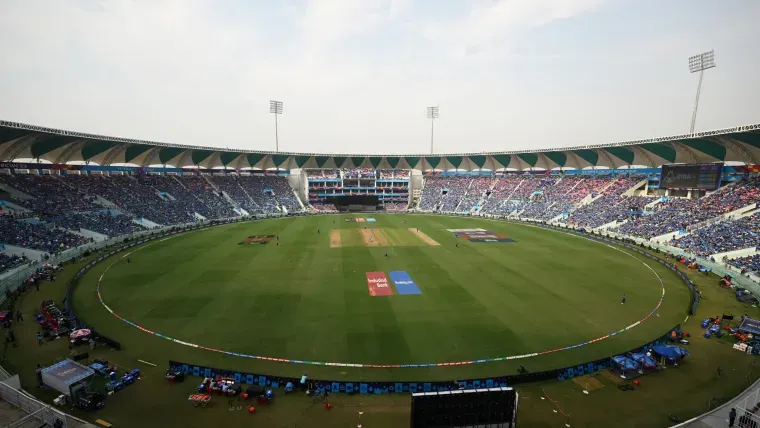
The 30 November clash in the Syed Mushtaq Ali Trophy saw Hyderabad deliver a batting chase masterclass to beat Goa by 7 wickets, reeling in a 160 target by stamping 166/3 in just 14 overs. The speed was eye-catching, but the process was the real story — structured aggression, intent without implosion, and batting plans executed in over-segments, not outburst roulette.
Goa came in with a defendable total, a 160 built to test Hyderabad’s opening resistance, middle-order acceleration, and late batting integrity. But what makes Hyderabad’s white-ball rise fascinating in 2025 is this: they don’t chase like a team under guesswork pressure. They chase like a unit that has already divided the innings into phases before walking in. In modern 50-over cricket, India’s best chasers — Kohli, Sharma, Gaikwad — turned 300 balls into a phased story. In T20 cricket, that phasing happens inside 120 balls. Hyderabad demonstrated that same mental architecture for 84 balls instead of 300, with violence timed, not worshipped.
The chase had foundational power from the top. Hyderabad openers absorb pressure like accountants, not gamblers. They don’t chase boundaries — they force bowlers to leak them by suffocating with strike rotation first. This opener proved again that India’s domestic T20 strength isn’t about bats swinging louder at opposition egos. It’s about bats swinging smarter at bowler plans. Hyderabad batters play this format like project managers — take the boundary if the ball gives margin, deny it if the bowler wants relevance through baited shots. By over 4, they were already ahead of Goa’s bowling blueprint. By over 10, they had broken its spine.
India’s domestic game remains the place where T20 chasers are conditioned for consequence resistance — high rep innings, error feedback loops, mental segmentation, and fatigue-resistant hitting windows that don’t leak mind momentum in the first bad over. Hyderabad batsmen walk into these games already trained for failure compartmentalization: drop a wicket, keep tempo; face a dot ball, keep partnership solvent; hit only when the ball leaks intent to your ledger. That’s quality, not luck.
Hyderabad’s middle-order players bat in that same style family: sequence > chaos. Teen prodigy Vaibhav Suryavanshi smashing 108* earlier this season showed why age doesn’t matter if your strike is timed like a system not a sparkler. Hyderabad have that same system-coded aggression at squad level: plan early, dominate only when math unveils clean payoff windows.
Hyderabad’s bowling also contributed earlier with stabilizing pressure so batters didn’t walk into a chase under suffocation. This is India’s best domestic T20 bowling trait: pressure spells built for endurance. Fast spells that hold corridor contracts; spin spells that induce ego mistakes. Pakistan’s Quaid-e-Azam Trophy tests fortitude in 5-day cricket; India’s Syed Mushtaq Ali Trophy tests it in 4-over micro spells. Bowlers here learn to hold margin integrity even when batters threaten acceleration. Hyderabad bowlers held those margins against Goa this opener too, posting dots as pressure scaffolds not pleas.
Chasing 160 in 14 overs meant a required rate near 11.4, but Hyderabad didn’t treat it like “run-rush panic”. They treated it like “rate management”. That is what defines India’s best domestic chain now — batting that inflicts pressure in ramps: 30 off 25 early, 55 off 32 middle, 25 off 12 late. By risking only when field math loses margin relevance, Hyderabad turned the chase into closure, not survival. The fact they ended 166/3 with 6 balls intact shows batters weren’t unchained — they were controlled chainsaws. That difference wins games long-term.
For cricket’s next 12 months, the calendar will stay format-stuffed, consequence-thick, and injury-audited. The teams that will thrive are the ones who read phases and execute them. Hyderabad did that. Champions don’t dominate eras — execution does.
12BET Shortlisted for Sportsbook Operator of the Year at SBC Awards 2025