

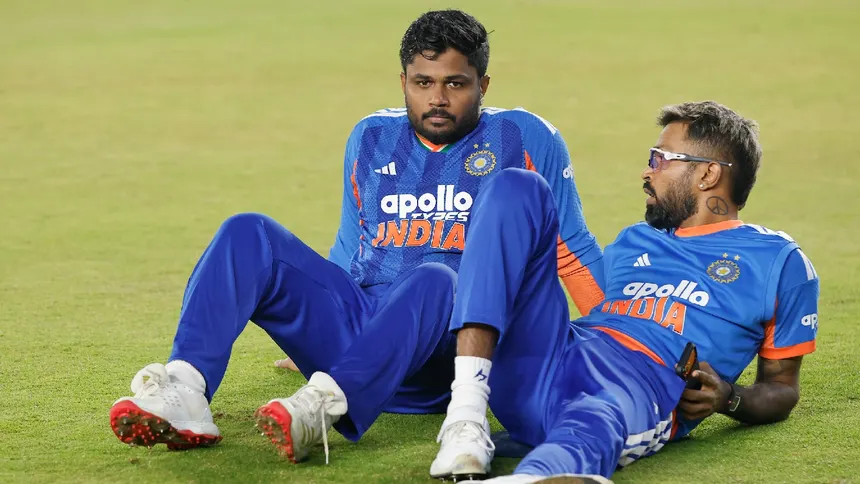
Preparations are in full swing for the second T20I between India and New Zealand, scheduled to be played in Raipur on 23 January, as both teams look to adjust quickly after a high-impact opening match. With the series still young and the T20 World Cup firmly on the horizon, this fixture carries significance well beyond a single result.
India head into the Raipur clash with confidence after their commanding win in the opening T20I. The focus in camp has been on maintaining intensity rather than complacency. Team management is keenly aware that early dominance in a series can fade quickly in the T20 format, where momentum can swing within a few overs. Training sessions have reportedly emphasized execution under pressure, particularly in death bowling and middle-overs batting.
The Raipur venue itself adds an extra layer of intrigue. After recent crowd-management issues at an international match at the same stadium, entry rules have been tightened, with spectators not allowed inside after the first half of the match. From a cricketing perspective, the pitch is expected to be good for batting early, with spinners likely to come into play as the game progresses. Teams winning the toss may once again be tempted to bat first and set a target.
India’s selection strategy will be closely watched. While a winning combination is unlikely to be overhauled, the think tank may still consider tactical tweaks based on conditions. With a packed international calendar ahead, rotation and workload management remain part of the broader discussion, even if immediate changes are minimal.
New Zealand, meanwhile, face a more urgent need to respond. The visitors showed flashes of intent in the opening match but were unable to sustain pressure in key phases. Their preparation has centered on tightening bowling plans, especially in the powerplay, where they allowed India to dictate terms. Discipline with lengths and better use of slower balls are expected areas of focus.
Injuries remain a background concern for the New Zealand camp. With a few first-choice players already under fitness clouds, the management is keen to strike a balance between competitiveness and player protection. The Raipur match offers an opportunity for fringe players to step up and make a case for continued selection ahead of bigger tournaments.
Beyond tactics, the series is also being viewed as a testing ground for leadership and adaptability. India, under a relatively settled white-ball setup, are using the series to reinforce their aggressive identity. New Zealand, traditionally strong in planning and execution, are being challenged to adapt quickly in Indian conditions where margins for error are slim.
Off the field, logistics and security arrangements have been tightened, and teams have adjusted travel and training schedules accordingly. The emphasis from organizers has been on smooth operations to ensure the focus remains squarely on cricket.
As the 2nd T20I in Raipur approaches, both sides understand what is at stake. For India, it is a chance to press home their advantage and move closer to sealing the series. For New Zealand, it is about staying alive, correcting mistakes, and reasserting their competitiveness.
12BET Shortlisted for Sportsbook Operator of the Year at SBC Awards 2025