

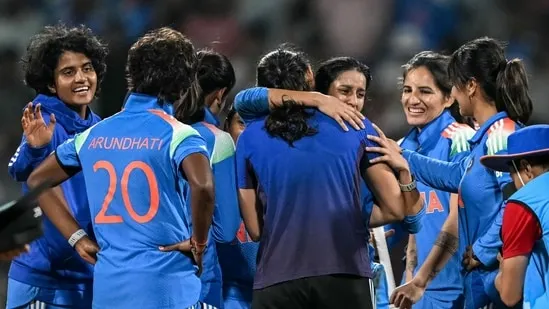
India’s Women’s World Cup win has ignited discussions far beyond cricket, with commentators and social observers arguing that the triumph represents more than just a sporting milestone — it is being hailed as a social and cultural landmark for gender equality in India. The victory, celebrated nationwide, has prompted reflection on the evolving status of women in Indian society and the symbolic power of female athletes breaking barriers on a global stage.
For decades, women’s sports in India have faced structural challenges, including limited funding, fewer professional opportunities, and comparatively low visibility. Cricket, the country’s most popular sport, has been dominated by men in terms of both media coverage and fan engagement. The success of the women’s team challenges these norms, demonstrating that female athletes can perform at the highest levels under pressure and capture the nation’s attention with their skill, determination, and strategic acumen.
Social commentators have emphasized that the team’s achievement provides a highly visible platform for challenging stereotypes about women’s roles in sports and society. Public enthusiasm and recognition for the players, including tributes from politicians, celebrities, and sports organizations, illustrate a shift in perception. The victory has prompted a conversation about equitable treatment, funding, and access to facilities for women in sports, highlighting systemic disparities that still exist but are increasingly being scrutinized.
Moreover, the win resonates culturally because it positions women as role models in a traditionally male-dominated sphere. Young girls watching the team lift the World Cup are seeing tangible evidence that aspirations in professional sport are achievable. Analysts note that representation matters: success at the international level fosters belief in possibility, inspiring future generations to pursue athletic and personal goals with confidence. This visibility extends beyond cricket, influencing debates on education, leadership, and empowerment in broader society.
The commentary has also focused on the symbolic resonance of the victory. By excelling on the world stage, the Indian women’s cricket team has asserted that talent and commitment are not determined by gender. The achievement is increasingly framed as a catalyst for change, reinforcing the idea that social structures, opportunities, and recognition must evolve to support women in all spheres. In the context of India, where gender inequality continues to be a pressing concern, this sporting triumph is interpreted as both celebratory and aspirational.
Critics argue that while the victory is inspiring, real progress requires sustained investment, policy support, and cultural shifts beyond momentary applause. Calls for increased funding for women’s leagues, equal pay, media coverage, and grassroots development programs have grown louder in the aftermath of the win. Advocates emphasize that turning symbolic milestones into lasting change is the next step for gender equality in Indian sport.
Ultimately, India’s Women’s World Cup win has become a focal point for discussion about gender roles, societal expectations, and equality. It represents both a sporting success and a cultural statement — a reminder that achievement is not bound by gender and that female athletes can inspire change well beyond the boundary ropes. The victory has sparked debate, optimism, and momentum, providing a platform to advance the broader cause of gender equality in India.
12BET Shortlisted for Sportsbook Operator of the Year at SBC Awards 2025