

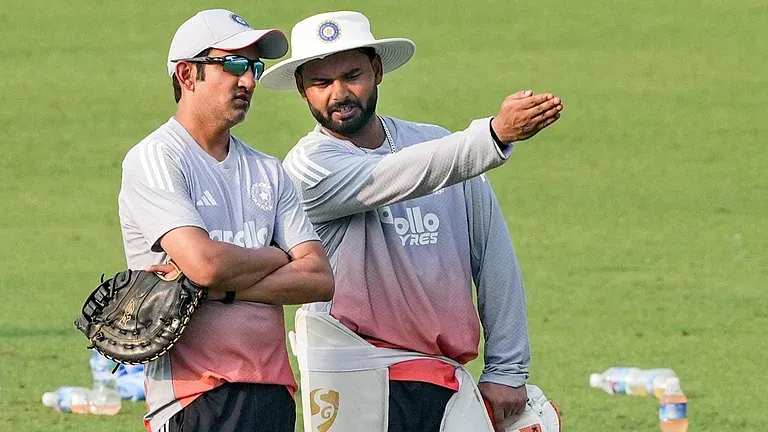
India’s crushing 408‑run defeat to South Africa in the second Test at Guwahati, which sealed a 2–0 series sweep, has put the spotlight firmly on the team’s coaching setup under head coach Gautam Gambhir. The scale of the loss, the repeated batting collapses, and the inability to defend home conditions have intensified scrutiny over selection choices, preparation strategies, and overall team management.
In his first public comments after the defeat, Gambhir admitted that the team is “in transition.” He explained that many of India’s young batters have limited red-ball experience and need more time to mature at the highest level. He stressed that Test cricket requires patience and that rebuilding the squad is a process rather than an instant fix. While this perspective acknowledges the team’s inexperience, critics argue it does little to account for repeated failures at home.
Several former players and analysts have voiced concern about the frequency of changes in the batting lineup and the lack of a clear plan for nurturing young talent. Frequent experimentation, they say, has prevented the development of stability and confidence, leaving batters unsure of roles and responsibilities. The result is a series of collapses that expose not just technical shortcomings but also a lack of mental resilience under pressure.
The home-pitch advantage, traditionally a source of strength for India, failed to provide the expected edge. South Africa exploited bounce, seam, and pace to dominate, while India’s strategies appeared outdated or inconsistent. Critics have argued that the coaching team did not adequately prepare the squad for the challenges posed by a disciplined visiting attack, leaving players exposed to pressure situations without clear guidance.
Some supporters of Gambhir caution against blaming the coach entirely. They point out that while a coach can guide, strategize, and mentor, it is ultimately the players who must execute on the field. They also note Gambhir’s past successes, including competitive performances overseas and in white-ball formats, as evidence that his coaching acumen is not in question — rather, it is the ongoing transitional phase that has exposed weaknesses.
Nonetheless, the severity of the loss has intensified calls for accountability. The collapse has raised questions about technique, shot selection, preparation, and the psychological readiness of the squad. There is a growing sense that without structural changes in how the team is managed and developed, similar failures could recur, even under home conditions.
Gambhir’s acknowledgment of the team’s transition and the need for experience highlights a critical reality: India’s red-ball future depends on nurturing young talent while maintaining stability, clarity, and discipline. The heavy defeat serves as both a warning and an urgent call for reassessment, making it clear that incremental adjustments may no longer suffice. The focus now is on whether the coaching setup can translate lessons from this historic loss into meaningful improvements, ensuring that the team can reclaim its reputation as a formidable force in Test cricket.
12BET Shortlisted for Sportsbook Operator of the Year at SBC Awards 2025