

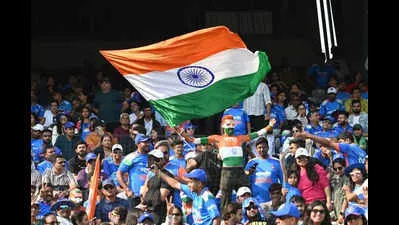
Vadodara witnessed a historic sporting moment as international cricket returned to the city after a gap of 16 years, with the India vs New Zealand One Day International transforming the venue into a festival of colour, noise, and emotion. For a city long passionate about cricket but starved of top-level action, the match marked more than just a fixture — it was a homecoming.
From the early hours of the morning, streets around the stadium were buzzing. Fans wearing Indian jerseys, waving flags, and chanting slogans poured in from across Gujarat and neighbouring regions. Hotels were fully booked, local transport ran at peak capacity, and food stalls around the ground did brisk business. The return of international cricket brought an unmistakable economic and cultural boost, underlining how deeply the sport is woven into India’s urban fabric.
Vadodara’s last international match had taken place in 2010, making this ODI a long-awaited event for an entire generation of fans who had only watched such games on television. For many youngsters, it was their first chance to see Indian stars in person. Older fans spoke nostalgically about past matches at the venue, blending memory with excitement as the city reclaimed its place on the international cricket map.
The atmosphere inside the stadium matched the build-up outside. A near-capacity crowd ensured constant energy, with loud cheers greeting every boundary and wicket. The roar that followed Indian milestones echoed well beyond the stands, reinforcing why smaller centres remain crucial to Indian cricket’s identity. Unlike metro venues, matches in cities like Vadodara often feel more intimate and emotionally charged, with fans deeply invested in every moment.
Players too acknowledged the special environment. Indian cricketers appeared energized by the crowd support, while New Zealand players noted the intensity and warmth of the reception. Such venues often present unique challenges for visiting teams — not because of pitch conditions alone, but due to the sheer volume and passion of local support.
Administratively, the successful hosting of the match was a strong statement. Smooth crowd management, upgraded facilities, and efficient logistics demonstrated that Vadodara is capable of handling major international fixtures. This could strengthen its case for hosting more matches across formats in the future, particularly as cricket boards look to rotate games beyond traditional hubs.
The match also reinforced the Board of Control for Cricket in India’s broader strategy of taking international cricket to diverse regions. Spreading fixtures across cities helps maintain grassroots interest, nurtures future fans, and reduces over-reliance on a handful of venues. Vadodara’s reception proved there is strong demand beyond the usual metropolitan centres.
Beyond the cricket itself, the event carried symbolic weight. It highlighted how sport can reconnect communities, revive civic pride, and momentarily unite people across age, background, and language. For one evening, Vadodara wasn’t just hosting a match — it was reclaiming a piece of its sporting identity.
12BET Shortlisted for Sportsbook Operator of the Year at SBC Awards 2025