

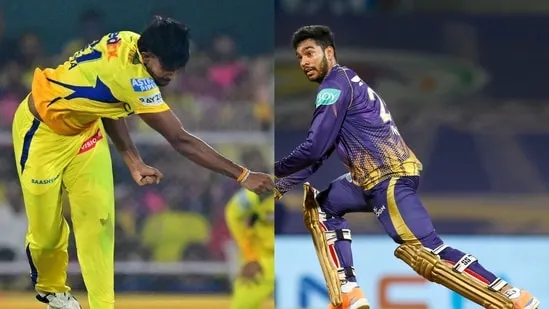
The IPL 2026 mini-auction continued to reshape team cores as three significant Indian and overseas names were snapped up at solid prices. Josh Inglis joined Lucknow Super Giants (LSG) for ₹8.6 crore, Ravi Bishnoi moved to Rajasthan Royals (RR) for ₹7.2 crore, and Venkatesh Iyer landed with Royal Challengers Bengaluru (RCB) for ₹7 crore. Each signing reflects a specific tactical need rather than headline glamour — a sign of increasingly mature auction strategies.
Lucknow Super Giants’ decision to invest ₹8.6 crore in Josh Inglis underlines their desire for flexibility and aggression at the top and in the middle order. Inglis brings wicketkeeping security along with explosive batting, especially against pace. His ability to adapt roles — opening, floating in the middle, or finishing — gives LSG options depending on match-ups and conditions. In recent T20 leagues, Inglis has shown he can absorb pressure early and then accelerate rapidly, something LSG have occasionally lacked when their top order stalls. While ₹8.6 crore is a significant outlay, it reflects the premium placed on multi-skilled overseas players who can solve more than one problem in the XI.
For Rajasthan Royals, the acquisition of Ravi Bishnoi at ₹7.2 crore is a calculated move to reinforce their spin attack for the long term. Bishnoi remains one of India’s most reliable T20 leg-spinners, known for his pace through the air, flat trajectory, and accuracy in the middle overs. On surfaces where grip and control matter, Bishnoi can strangle scoring and force batters into mistakes. RR’s setup has traditionally valued smart bowling units, and Bishnoi fits that philosophy perfectly. At this price, RR have secured a frontline Indian spinner who can bowl in powerplays if needed and remain effective at the death — a rare skill set.
Royal Challengers Bengaluru’s signing of Venkatesh Iyer for ₹7 crore is particularly interesting from a balance perspective. RCB have long searched for Indian batting depth that can also contribute with the ball, and Iyer ticks both boxes. A powerful left-handed batter, he is capable of changing games during the powerplay or stabilising the innings when early wickets fall. His medium-pace bowling adds a sixth-option safety net, which is invaluable across a long tournament. For RCB, this move also suggests a shift toward strengthening the Indian core rather than overloading on overseas stars.
Taken together, these three deals highlight a broader auction trend: franchises are prioritising role clarity. Inglis addresses LSG’s need for adaptable batting and wicketkeeping depth, Bishnoi strengthens RR’s spin chokehold in the middle overs, and Venkatesh Iyer gives RCB flexibility, power, and Indian experience. None of these signings are flashy in isolation, but all three could prove decisive over a 14-match league season.
Financially, the prices make sense in the current IPL ecosystem. Proven Indian players like Bishnoi and Venkatesh continue to command strong value because they don’t consume overseas slots, while versatile overseas players like Inglis attract premium bids due to their ability to cover multiple roles.
As the mini-auction progresses, these moves will likely be judged not by headlines but by impact. If Inglis provides stability and firepower for LSG, Bishnoi controls games for RR, and Venkatesh Iyer delivers consistency for RCB, these signings could quietly become some of the smartest business of IPL 2026.
12BET Shortlisted for Sportsbook Operator of the Year at SBC Awards 2025