

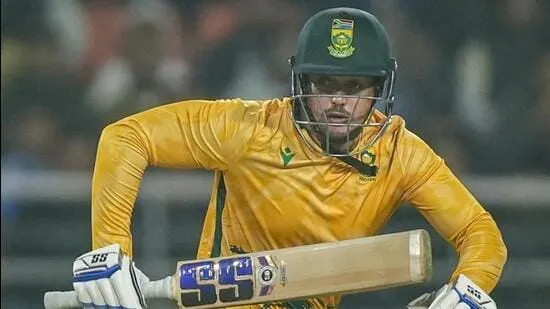
While the IPL 2026 mini-auction produced eye-popping numbers for a few headline names, some of the smartest business happened quietly. David Miller to Delhi Capitals for ₹2 crore, Quinton de Kock to Mumbai Indians for ₹1 crore, and Wanindu Hasaranga to Lucknow Super Giants for around ₹2 crore are already being widely labelled as steals — and for good reason. These are proven international match-winners acquired at near throwaway prices.
Delhi Capitals’ capture of David Miller at his base price stands out immediately. Miller is no fading veteran; he remains one of the most reliable finishers in world cricket, especially in pressure chases. His ability to absorb early pressure and then explode at the death has been repeatedly proven across leagues and international tournaments. For DC, who have struggled with closing out games in recent seasons, Miller offers calmness, clarity, and experience — all for just ₹2 crore. In auction terms, this is elite output at backup-player cost.
Miller’s value also lies in flexibility. He can bat anywhere from No.4 to No.6, handle spin-heavy middle overs, and finish against elite death bowling. In tight IPL contests where one over can flip the match, players like Miller often decide playoff qualification. Delhi securing him without a bidding war reflects either remarkable discipline from rivals — or a major collective oversight.
Mumbai Indians arguably pulled off an even more shocking deal by landing Quinton de Kock for just ₹1 crore. At that price, MI have essentially bought an international-quality opener and wicketkeeper for the cost of a squad filler. De Kock’s recent form may not have triggered bidding frenzies, but his pedigree is unquestionable. Aggressive starts, left-hand presence, safe glovework, and big-match temperament — MI now have all of that at minimal financial risk.
For a franchise like Mumbai, which thrives on unlocking value and backing proven performers, de Kock is a classic low-risk, high-reward pick. Even if he doesn’t start every game, he offers depth, competition, and tactical flexibility. If he does hit form, MI could end up fielding one of the most dangerous opening combinations in the league — at a fraction of the usual cost.
Lucknow Super Giants’ move for Wanindu Hasaranga around ₹2 crore completes this trio of bargain buys. Hasaranga remains one of the most impactful T20 spinners in the world, capable of breaking partnerships and controlling games in the middle overs. His recent injury history may have cooled demand, but at this price, LSG are buying upside with almost no downside.
Hasaranga also fits the modern IPL “impact player” model perfectly. He can be deployed on spin-friendly surfaces, used aggressively against right-hand-heavy lineups, and even contribute handy lower-order runs. If fully fit, he instantly upgrades LSG’s bowling attack and adds tactical sharpness in crunch overs.
Collectively, these signings highlight a crucial auction truth: championships aren’t built only on the most expensive buys. They’re often decided by who extracts the most value per rupee. Miller, de Kock, and Hasaranga cost less combined than some single marquee players — yet their combined influence could swing multiple matches.
As IPL 2026 approaches, these “cheap” deals may end up defining the season. When the pressure peaks and experience matters most, franchises that quietly stocked proven winners at bargain prices could be the ones still standing in the playoffs.
12BET Shortlisted for Sportsbook Operator of the Year at SBC Awards 2025