

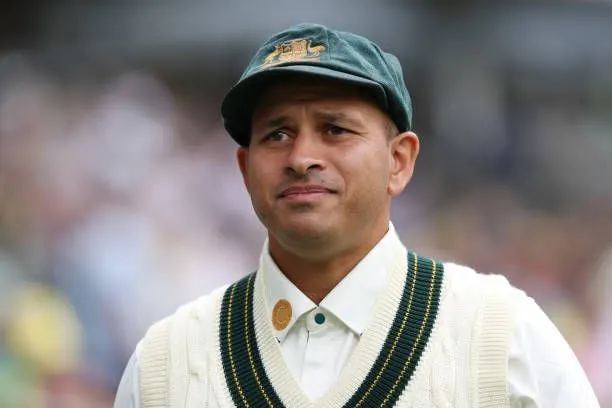
The 2025–26 Ashes series took a significant turn as Australia’s batting lineup faced a last-minute reshuffle: Usman Khawaja was ruled out of the second Test due to a back injury. The decision leaves a vacancy at the top of the order, likely to be filled by Travis Head, shifting the team’s balance and strategy for the pink-ball encounter at Brisbane. This development emphasizes the delicate interplay of fitness, form, and selection strategy in modern Test cricket, where even a single injury can influence momentum in a high-stakes series like the Ashes.
Khawaja had been a linchpin in Australia’s top order, providing stability and technical solidity against both pace and spin. His ability to build partnerships and rotate the strike made him an integral component of the team’s innings architecture, particularly against England’s varied bowling attack. The back injury ruling him out underscores the physical demands placed on modern cricketers, especially in multi-format schedules that blend Tests, ODIs, and T20s with limited recovery time. Managing player workload has become a strategic necessity, as injuries to key batters can disrupt team dynamics and tactical planning.
Travis Head, the likely replacement, brings a different set of strengths to the lineup. Known for his aggressive strokeplay and ability to accelerate the scoring rate, Head’s inclusion could alter Australia’s approach in the second innings. Unlike Khawaja, Head thrives under pressure in high-tempo scenarios, offering flexibility in the middle order while retaining the capacity to anchor when required. His experience in previous Ashes contests, combined with a history of performing against England’s pace attack, makes him a suitable candidate to slot into the top order. Head’s potential inclusion also provides the selectors with an opportunity to inject aggression at a time when the series balance could hinge on individual contributions in pivotal sessions.
The impact of Khawaja’s absence extends beyond mere numbers. His dismissal-free style and ability to absorb pressure allows other batters to play around him, creating partnerships that are crucial in the ebb and flow of Test cricket. The loss of such an anchor could place additional pressure on remaining senior batters like Marnus Labuschagne and Steve Smith, requiring them to recalibrate their innings strategy. However, Head’s entry could counterbalance this with his more proactive approach, potentially disrupting England’s bowling rhythm while maintaining the team’s overall stability.
From a team-management perspective, this development highlights the ongoing challenge of balancing player fitness with competitive imperatives. The Ashes, as one of cricket’s most celebrated rivalries, demands both resilience and adaptability. Injuries like Khawaja’s not only test squad depth but also emphasize the importance of having versatile players like Head, capable of seamlessly stepping into critical roles.
As the second Test approaches, the Australian camp will need to adjust its preparation, focusing on adapting strategies to accommodate Head’s style while compensating for Khawaja’s absence. England, meanwhile, will likely look to exploit any gaps left by the change in batting order, emphasizing the strategic chess match that defines modern Ashes contests. The series remains finely balanced, and how Australia manages this setback could prove decisive in shaping the outcome of the 2025–26 Ashes.
12BET Shortlisted for Sportsbook Operator of the Year at SBC Awards 2025