

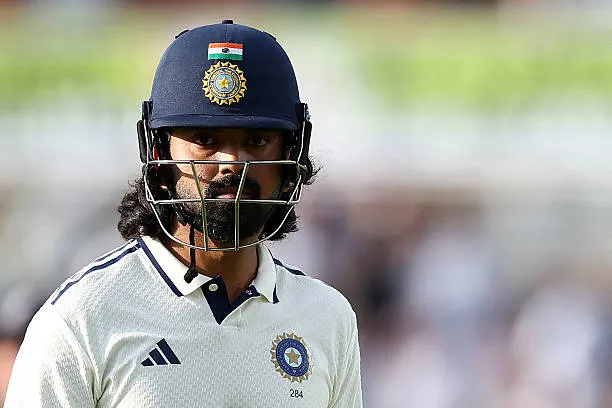
KL Rahul stepping in as India’s ODI captain wasn’t part of the original script, but the shift became unavoidable once Shubman Gill was ruled out with a neck injury. The change puts Rahul back in a leadership role he’s handled before, and it immediately alters the tone of India’s preparation for the three-match series against South Africa. Rather than easing into the tour with a young captain testing himself, India now have a battle-hardened operator at the helm — someone who has navigated injury layoffs, selection swings, and high-pressure tournaments.
Rahul’s return to frontline leadership arrives at a moment when India desperately need stability. Their ODI squad has been in a constant cycle of reshuffling post–World Cup, partly due to workload management and partly because of injuries striking the top order. Gill’s absence doesn’t just remove India’s most consistent one-day run-getter of the last two years — it also disrupts the left-right balance and rhythm of their preferred opening strategy. Without him, Rahul’s responsibilities double: he must not only lead but also restructure India’s batting blueprint.
What works in Rahul’s favor is his temperament. Over the past few seasons, he has grown into the kind of player who can carry a middle order through unstable phases. His batting is calmer, more methodical, and shaped around absorbing pressure for long periods. As captain, he tends to bring the same approach: conservative field settings early on, disciplined rotation of fast bowlers, and a preference for squeezing oppositions rather than chasing knockout blows. Against South Africa, whose ODI strength lies in their fast-scoring top order, that style could either work brilliantly or backfire if India start sluggishly.
One of the bigger questions surrounds team balance. The ODI format is in a transitional phase globally — fewer matches are being played, and teams are experimenting more than refining. India must decide whether they stick to the traditional six-batter structure or push an extra all-rounder into the XI. Rahul has historically leaned toward stability, but South African conditions often demand depth. With India’s bowling unit still finding rhythm, particularly the younger seamers, the temptation to pack an extra option will be strong.
Rahul’s own return to full fitness is another factor worth watching. He’s had stretches of stop-start cricket due to recurring injuries, and every time he settles into form, something seems to interrupt his progress. This series is a chance to hit a fresh patch of sustained game time, especially with the Champions Trophy and future ODI cycle already in focus. His wicketkeeping — if he takes the gloves — adds another layer of responsibility.
From South Africa’s perspective, the shift in captaincy doesn’t change much. They will still target India’s bowling and force Rahul to make defensive decisions early. But India have an edge in one respect: Rahul commands strong respect inside the dressing room. Players trust his calls, and he has a reputation for backing youngsters long enough for them to settle into their roles.
In the end, this ODI series might reveal more about India’s roadmap than any recent bilateral tournament. Gill’s injury is unfortunate, but it has opened the door for Rahul to influence India’s direction again — both tactically and strategically. Given his maturity and clarity, India are in capable hands for this stretch.
12BET Shortlisted for Sportsbook Operator of the Year at SBC Awards 2025