

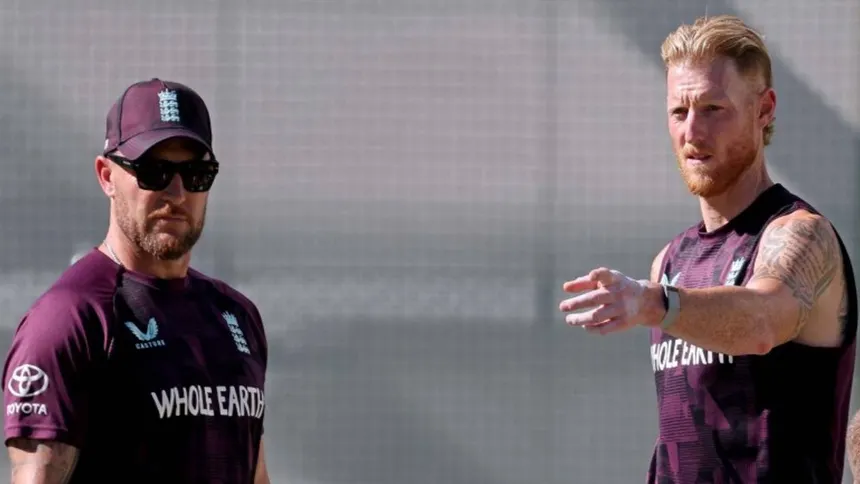
The leadership of the touring England side — coach Brendon McCullum and captain Ben Stokes — have publicly defended the decision to fly the squad to Noosa for a mid-series break ahead of the third Test in Adelaide, arguing that after two heavy losses, physical recovery and mental reset are essential for players to compete at their best.
McCullum, speaking to the media shortly after the team touched down in Noosa, emphasised that Test cricket is as much about endurance as it is about skill. The recent defeat — under lights and pace pressure — had taken a toll on bowlers and batsmen alike. “It’s not just the body,” he said. “It’s the mind. Long spells in the field, intense sessions, the travel, the expectations — it adds up. A short break gives space to breathe, regroup, and reflect without the immediate weight of performance.” The coach added that modern scheduling demands smarter workload management; pushing players non-stop after heavy exertions risks burnout and injury.
Stokes echoed the sentiment. As captain, he acknowledged the instinct to want to get straight back into preparation and make amends. But he argued that cramming in practice or selection discussions immediately after a defeat could be counterproductive. “We lost two tough games in a row,” he said. “We need time to reset, recover, and return with clarity. A rested mind and body will perform better than a tired, frustrated one.” His message to teammates: treat the break not as escape, but as strategic refuel.
Their defence of the break also addressed critics who suggested that a pause could kill rhythm or signal surrender. McCullum noted that long-form cricket — especially a high-stakes series such as the Ashes — demands not just form, but resilience. “We’re not running away,” he declared. “We’re preparing smarter. If we don’t take care of recovery now, we may pay for it later.”
From a management perspective, the Noosa interlude serves multiple purposes. It provides bowlers with time to recover after exhausting spells, allows batsmen to reflect on shot selection under pressure, and gives support staff a window to monitor and rehabilitate fitness concerns. Coaches can analyse performances, identify mental or technical leaks, and plan adjustments calmly — away from media glare and match pressure. Stokes suggested this environment could foster honest conversations, not just about form but about team culture and mindset — critical in turning a series around.
However, the break isn’t without risk. Slowing the competitive tempo could dull timing, timing of runs, or bowling rhythm. McCullum acknowledges that some rustiness is always possible, but believes the trade-off — health, focus, renewed energy — outweighs the danger. “We’ll need time back at Adelaide to get sharp,” he admitted. “But we’d rather start those sessions fresh than broken.”
For England’s supporters, the answer may depend on what happens in Adelaide. If the third Test features energy, intent, and fight, the break will be seen as a masterstroke — a reset that saved their series hopes. If they stumble again, critics might view Noosa as a costly distraction. For now, though, the leadership’s gamble is clear and unapologetic: better to rest, rebuild, and return than to burn out chasing immediate redemption.
12BET Shortlisted for Sportsbook Operator of the Year at SBC Awards 2025