

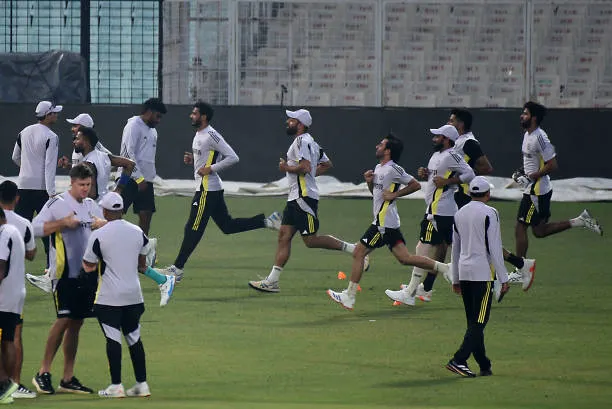
Ahead of their Asia Cup clash against Oman, India has cancelled a scheduled practice session and pre-match press conference, citing a rest day for players. The decision comes as the team management looks to balance player freshness with managing off-field tensions following the recent India‑Pakistan match.
The team had originally planned a full training session on the evening before the Oman game, along with media interactions for players and coaching staff. However, the Board of Control for Cricket in India (BCCI) communicated that both the session and press meet would not take place, instead designating the day for recovery and rest. Players had completed a full practice session the previous day, allowing management to shift focus toward mental and physical recovery.
Officially, the rest day is framed as part of the squad’s preparation strategy, helping players recharge before a crucial match. In addition to physical recovery, the timing also allows the team to avoid further media scrutiny in the aftermath of the India‑Pakistan handshake controversy, which has dominated headlines and put players and staff under intense public attention. Canceling the press meet helps the management control the narrative and reduce distractions, giving the team space to focus solely on their on-field performance.
From a tactical perspective, the rest day allows the squad to review strategies, assess opposition strengths, and adjust game plans without the pressure of an immediate practice session. This is particularly important given the back-to-back nature of the tournament fixtures and the high stakes involved in each game. Players can focus on mental conditioning, team discussions, and light recovery work rather than full-scale net sessions.
The move also reflects a growing trend in modern cricket where teams prioritize player well-being over rigid schedules. Managing fatigue, avoiding burnout, and maintaining optimal performance levels have become key considerations in high-intensity tournaments like the Asia Cup. Teams now strategically integrate rest days to ensure peak performance during match days.
While the decision has been largely interpreted as a rest day, it also underscores the sensitivity surrounding interactions with other teams and officials in the current tournament environment. By keeping players off the field and away from media obligations, India reduces the risk of incidents or distractions that could impact focus and morale.
Looking ahead, the team is expected to resume normal practice routines after this rest day, with adjustments tailored to individual player needs and tactical priorities. The Oman match will test the squad’s readiness after the break, and management will be monitoring player fitness, energy levels, and mental sharpness closely.
Overall, the rest day serves multiple purposes: physical recovery, mental reset, narrative control, and tactical preparation. In a high-pressure tournament environment, such decisions are becoming increasingly common as teams aim to maintain consistency, manage stress, and deliver peak performances under scrutiny.
12BET Shortlisted for Sportsbook Operator of the Year at SBC Awards 2025