

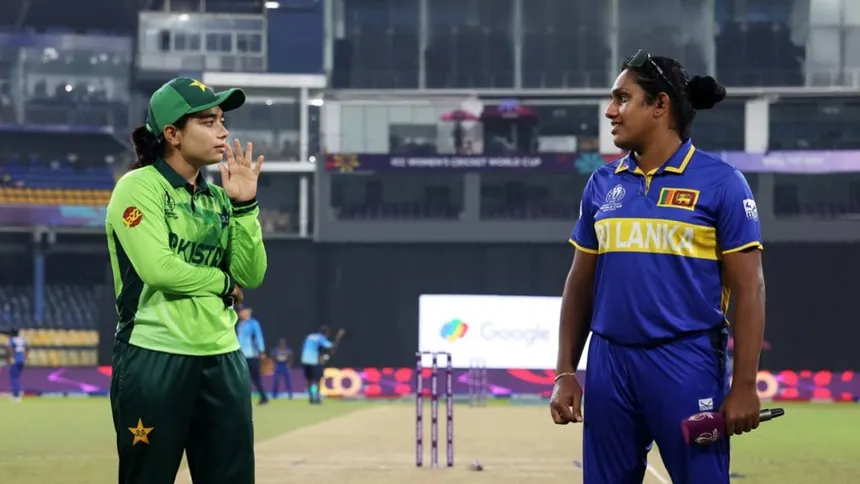
Pakistan head into the deciding match of the Sri Lanka T20I series with a 1–0 lead, buoyed by a strong, controlled performance in the opening game and aided by the rain-washed second T20I that produced no result. With one match left to play, momentum clearly sits with the visitors — but the series remains finely poised.
The opening T20I set the tone for Pakistan’s advantage. Their victory was built on clarity of roles and discipline across departments, particularly in bowling and game management. Pakistan’s bowlers applied pressure early, denying Sri Lanka the freedom to accelerate and forcing errors through sustained accuracy rather than raw pace alone.
Sri Lanka struggled to find consistent rhythm in that first match. While there were moments of promise, Pakistan’s ability to strike at key intervals prevented the hosts from building meaningful partnerships. The result was a total that looked competitive on paper but lacked the extra surge needed to truly challenge a well-drilled chasing side.
Pakistan’s reply in the first T20I reflected maturity. Instead of chasing the target with reckless aggression, the batting unit prioritized control, strike rotation, and selective boundary-hitting. That composure ensured the chase never spiraled into panic, even when Sri Lanka attempted to claw back momentum with middle-overs wickets.
The washed-out second T20I at Dambulla added a layer of intrigue to the series. While no cricket was possible due to persistent rain, the abandonment effectively froze the standings — leaving Pakistan ahead and Sri Lanka with one fewer opportunity to respond. For the hosts, the frustration was palpable, as home conditions were expected to play a key role in their comeback plans.
From a strategic perspective, the no-result benefits Pakistan more than Sri Lanka. Leading 1–0, Pakistan enter the decider knowing that pressure sits squarely on the home side. Sri Lanka must win to avoid a series defeat, while Pakistan can afford to play with controlled confidence rather than desperation.
That said, Pakistan are unlikely to relax. Their recent approach to T20 cricket has emphasized consistency over complacency, and the team management will be keen to use the decider as another step toward refining combinations and roles ahead of larger international objectives.
Sri Lanka, meanwhile, face a must-win scenario. Expect changes in intent, if not personnel. The hosts are likely to push harder in the powerplay and show greater urgency in the death overs — areas where they were outplayed in the first T20I. The challenge will be balancing aggression with discipline, especially against Pakistan’s adaptable bowling attack.
Individual battles could define the decider. Pakistan’s bowlers will look to once again exploit early movement, while Sri Lanka’s batters must find ways to disrupt length and field settings. Similarly, Sri Lanka’s bowling unit will need sharper execution to break Pakistan’s calm batting rhythm.
Beyond the immediate result, the series has broader implications. Both teams are shaping their T20 cores with future tournaments in mind, and performances under pressure carry long-term weight. A series win would reinforce Pakistan’s growing confidence, while a Sri Lankan comeback would signal resilience and adaptability.
12BET Shortlisted for Sportsbook Operator of the Year at SBC Awards 2025