

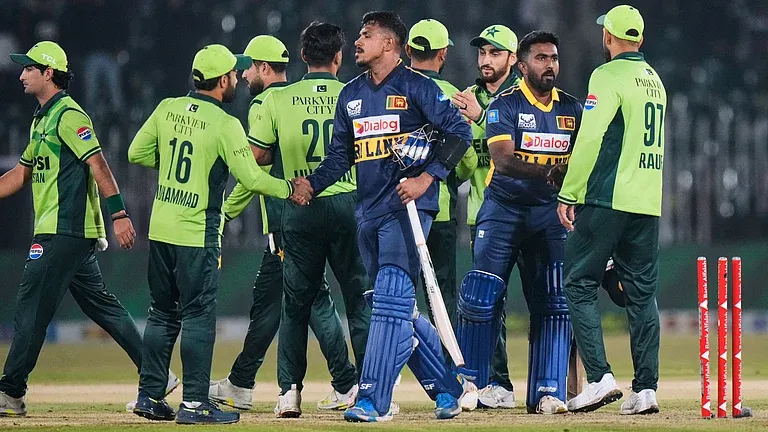
Pakistan has shifted the full T20 tri-nation series to Rawalpindi after a suicide bombing in Islamabad left 12 people dead and triggered immediate security concerns from visiting teams. The Pakistan Cricket Board (PCB), after high-level consultations with Sri Lanka Cricket and Zimbabwe Cricket, confirmed that every match of the Pakistan–Sri Lanka–Zimbabwe series will now take place at the Rawalpindi Cricket Stadium instead of being split across multiple venues.
The original schedule had five of the seven matches — including the final — set for Lahore, with the rest planned for Rawalpindi. The bombing forced an urgent review of the plan. The PCB responded by centralizing the tournament in a single, tightly controlled location and also pushing the second match back by a day to accommodate revised logistics and updated security protocols. The series will now begin on 18 November, with the final still slated for 29 November, but all action will unfold in Rawalpindi.
The attack created visible tension among members of the Sri Lankan squad. Some players reportedly expressed fear and a desire to return home, but Sri Lanka Cricket instructed the team to stay after receiving strong assurances from Pakistani authorities. Pakistan’s interior minister — who also holds the role of PCB chairman — personally intervened, meeting Sri Lankan diplomats and overseeing a comprehensive security overhaul. Pakistan’s military leadership also stepped in, reinforcing guarantees that the visiting teams would receive elite-level protection throughout their stay.
Zimbabwe’s presence in the tournament follows Afghanistan’s withdrawal from the tri-series late last month, making this competition a vital tune-up for all three sides ahead of the 2026 T20 World Cup. Given its timing and the quality of opposition, the series is seen as an important preparatory block for both Pakistan and Sri Lanka, while Zimbabwe views it as a rare opportunity to test itself in a high-profile environment.
The security reshuffle has transformed the nature of the tour. Instead of traveling between cities as initially planned, teams will remain in a secure Pindi bubble designed to minimize exposure and simplify monitoring. This approach mirrors the strict security models Pakistan used successfully during past high-stakes tours. It also serves a symbolic purpose: the PCB is determined to send a message that cricket will continue in the country despite isolated acts of violence.
Although the backdrop is tense, the PCB is framing the decision as a necessary and responsible response — one that prioritizes safety while preserving the integrity of the competition. The players will need to adjust quickly to the compressed travel-free format, but with security concerns now addressed, the focus can shift back to cricket. For Pakistan, the successful staging of this tri-series under pressure is also a test of resilience.
12BET Shortlisted for Sportsbook Operator of the Year at SBC Awards 2025