

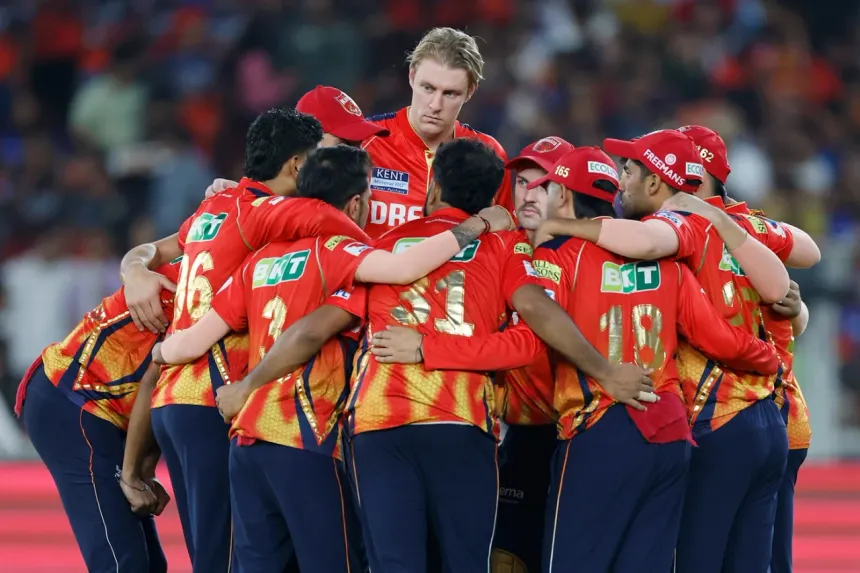
While many franchises are approaching the upcoming auction with deep purses and big-bang ambitions, Punjab Kings (PBKS) look set to take a different path. With a remaining purse of about ₹11.5 crore, they don’t have the financial firepower of some rivals — but what they do have is a stable core and a clear vision. Rather than chasing marquee names at all costs, PBKS appear more likely to focus on targeted buys that round out the squad sensibly and sustainably.
PBKS’ modest budget — by top-franchise standards — effectively cements their strategy. They don’t need to lead bidding wars or splurge for glitzy headlines; instead, the limited purse nudges them toward disciplined spending. In a cricket auction world tilted heavily toward star power, that constraint could become PBKS’ strength: by avoiding overpriced players, they maintain flexibility to build depth across multiple departments, rather than sacrificing balance for flash.
Their retained core provides the foundation. Stability matters in franchise cricket: when a team keeps its key performers season after season, it builds cohesion, mutual understanding, and long-term structure. PBKS appear to value that more than a quick fix. That approach suggests they’re looking for players who fit specific roles — maybe a dependable domestic all-rounder, a death-overs bowler, a clutch middle-order finisher — rather than headline grabbers. The emphasis is on adding value without upsetting squad dynamics or draining the budget.
This kind of selective recruitment has several advantages. First, it helps avoid “overkill” — teams sometimes pile on big signings only to end up with bloated squads, unhappy players, or wasted money if form dips or roles overlap. PBKS’ restraint can help ensure clarity in roles, expectations, and team management. Secondly, a modest but well-spent purse demands sharper scouting. PBKS can’t rely solely on name value; they’ll need to identify undervalued gems: young domestic talents, emerging bowlers, or versatile players who offer flexibility for multiple positions or situations.
Thirdly, with limited financial outlay, PBKS can manage both overseas and domestic quotas more efficiently. They may target a couple of niche foreign players whose skill sets match their existing strengths — perhaps a specialist death-bowler or a power-hitter — without having to overspend across the foreign contingent. This keeps balance across batting, bowling, and spin/seam options, which is often the secret to consistent success in T20 leagues.
There is, of course, risk in restraint. Other franchises may attempt to outbid PBKS, pushing up prices and creating a bidding environment where even mid-level players become expensive. If PBKS aim too low, they risk missing out on game-changing players altogether. But the tradeoff may be worthwhile: getting fewer but sharper picks rather than overspending for uncertain outcomes.
For fans and the team management, this approach offers transparency and predictability. The expectations will shift — from “who did we buy” to “did we buy wisely.” Success will likely be measured in cohesion, consistency, and performance chunks rather than individual fireworks. If PBKS get the model right, signs point to a stable, solid campaign rather than sporadic brilliance.
12BET Shortlisted for Sportsbook Operator of the Year at SBC Awards 2025