

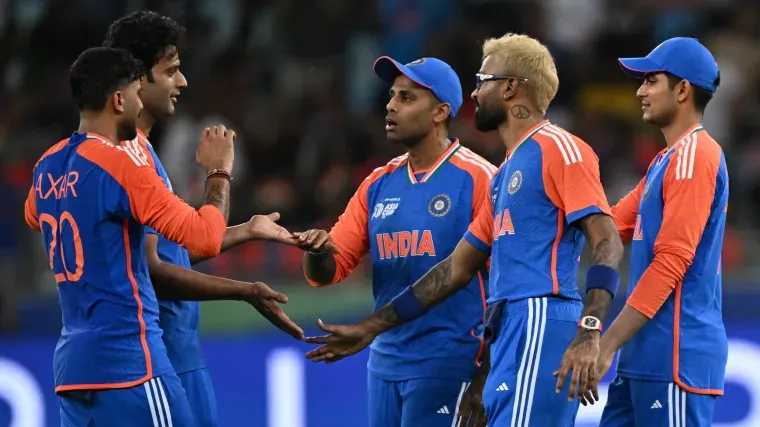
The Asia Cup 2025 has taken a tense turn off the field, as the Pakistan Cricket Board (PCB) has officially lodged a complaint against Indian captain Suryakumar Yadav. The complaint, submitted to the International Cricket Council (ICC), accuses Suryakumar of breaching the sport’s code of conduct by making politically sensitive remarks following India’s victory over Pakistan in the Super Fours stage.
The controversy erupted after India’s comprehensive win on September 14, when Suryakumar dedicated the victory to the victims of the Pahalgam terror attack and praised the Indian armed forces engaged in security operations. While his comments were celebrated by many Indian fans, the PCB saw them as unnecessarily political and provocative. They argued that such statements undermine cricket’s position as a neutral ground and risk escalating tensions between the two nations.
The ICC match referee, Richie Richardson, has already acknowledged receipt of the complaint and reportedly informed the Board of Control for Cricket in India (BCCI) and Suryakumar about the process ahead. The Indian captain has been given the choice to either accept the charge and a potential sanction or face a formal hearing. Should he choose the latter, a panel involving the match referee, ICC officials, PCB representatives, and the player himself will evaluate whether the comments amount to a breach of the ICC Code of Conduct.
The possible consequences range from a monetary fine and an official reprimand to a match ban, depending on the severity the ICC attributes to the offense. Precedents for similar incidents suggest that players are often fined or handed suspended sentences, but a harsher penalty cannot be ruled out if the comments are deemed to have crossed a significant line.
This incident has further heightened tensions between the two cricket boards, which were already at odds following earlier complaints by India against the on-field gestures of Pakistani players Haris Rauf and Sahibzada Farhan. Both sides have been trading allegations since the start of the tournament, turning the Asia Cup into a battleground not only on the field but also in official corridors.
For India, the situation presents a tricky balancing act. While Suryakumar’s words have been praised domestically, the BCCI must also ensure its players are not found guilty of breaching ICC protocols. Defending the captain is expected, but the board will likely argue that his comments were personal, not political.
For the ICC, this case is significant because it touches on a larger issue: where to draw the line between freedom of speech and the expectation that international players maintain neutrality on political matters. A ruling against Suryakumar would set a strong precedent and could deter players from making any politically tinged remarks in the future.
With the Asia Cup final just days away, all eyes will now be on how Suryakumar and the BCCI respond to the charge. The outcome could shape not just this tournament’s narrative but also the future tone of Indo-Pak cricket encounters.
12BET Shortlisted for Sportsbook Operator of the Year at SBC Awards 2025