

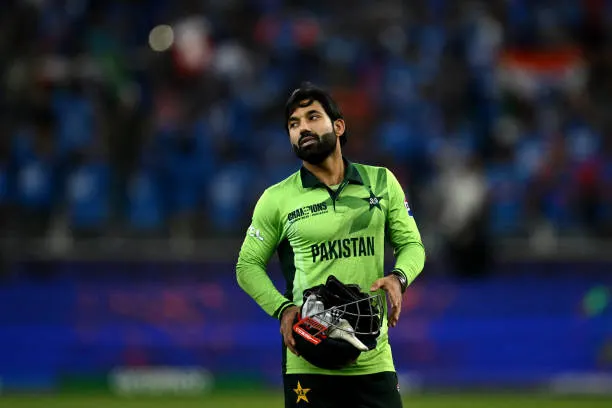
The Pakistan Cricket Board (PCB) has dropped a bombshell on its cricketers, scrapping the prestigious Category A from its central contracts for the 2025–26 season and demoting former captain Babar Azam along with wicketkeeper-batter Mohammad Rizwan to Category B. Both players, long considered the backbone of Pakistan’s batting order, have reportedly been left shocked and disheartened by the move. Some insiders even suggest that senior cricketers briefly contemplated rejecting their contracts outright—a rare show of rebellion in Pakistan cricket.
The decision has been met with widespread debate. Traditionally, Category A carried the highest financial rewards and status, reserved for players who led the team in performance and stature. Last year, only Babar and Rizwan held A-grade contracts. Now, with the entire category scrapped, the PCB has expanded the roster to 30 contracted players, divided equally into Categories B, C, and D. This restructuring has not only reduced the perks for senior players but also sent a sharp message that no one’s place at the top is guaranteed.
For players of Babar’s and Rizwan’s caliber, the demotion is not merely about money—it is about respect. Reports indicate they feel blindsided, with little to no communication from the board before the announcement. The timing also stings, coming on the heels of their omission from key tournaments, including the Asia Cup and a tri-series. For cricketers who have carried Pakistan’s batting through turbulent phases, the sudden downgrade feels like a harsh punishment rather than a strategic reset.
The PCB, however, sees it differently. By abolishing the top tier, the board wants to emphasize performance, accountability, and the future over past reputations. Young talent is being given priority, with the contract system designed to broaden the pool rather than concentrate rewards on a few. In theory, this could create greater competition within the squad and reduce dependency on big names. But in practice, the risk of alienating senior stars is real.
Financially, the blow is also significant. Category A players historically commanded higher retainers and bonuses. Being pushed down means Babar and Rizwan now earn less than what they were accustomed to—a symbolic reduction in status as much as a practical one. Such moves, if not managed with care, can erode team morale and even fracture dressing-room unity.
For Pakistan cricket, the move is both bold and risky. The team has struggled with consistency in recent years, and the PCB’s leadership appears intent on redefining its culture by breaking old hierarchies. Yet, if senior players feel disrespected and undervalued, the fallout could outweigh the benefits. A divided camp rarely produces world-class results, no matter how much young talent is ushered in.
Ultimately, this decision marks a turning point. The PCB has drawn a line, signaling that reputation alone no longer guarantees status. The coming months will show whether Babar and Rizwan channel this setback into on-field dominance—or whether the rift between board and players deepens into a long-term problem. The fate of Pakistan cricket may hinge on how this delicate balance is handled.