

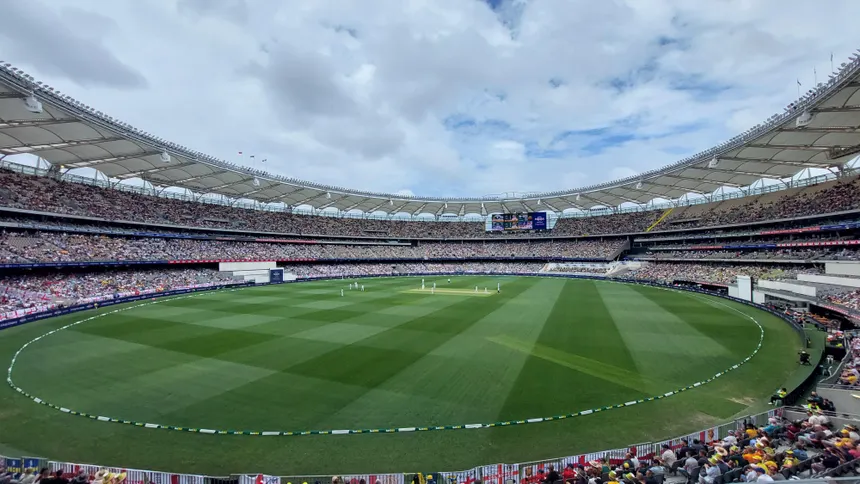
The opening Test of the 2025–26 The Ashes 2025–26 at Perth Stadium didn’t even make it to lunch on the third day. To many, the optics screamed unfair wicket; 32 Test wickets gone in 125.4 overs, the shortest Ashes Test since 1888. But the pitch has been officially cleared. The match referee from the game, an appointee of the governing body overseeing international surfaces, delivered an unambiguous verdict: “very good” — the highest grade available under the wicket-assessment framework. Early finish? Yes. Bad surface? No.
To understand why the rating carries weight, you need the criteria. A “very good” surface in Australia is one that ensures consistent bounce, true carry, and enough early life for seamers to remain relevant without devolving into chaos. The aim isn’t sedation; it’s balance. The two-day duration may have been jarring, but duration is not a metric of fairness. The key question is whether the pitch behaved consistently enough for skilled batting to succeed when applied correctly. The first innings emphatically answered that. Travis Head produced 123 off 83 balls with 14 fours and 4 sixes. That is not the batting of a man surviving a minefield; that is the batting of a man exploiting a reliable fast, high-carry surface before Australia’s declaration. It was the spell that set the difference between “fast and fair” and “poor and spiteful.” A batter of international caliber read the surface correctly, picked length quickly, and showed that it rewarded intent — at least for those with the clarity and technique to match it.
England’s approach was bifurcated between aggression and vulnerability. Some batters embraced the game plan, but Australia’s pace attack dismantled intentions more often than England built control. Pat Cummins led Australia’s effort personally, while Mitchell Starc and Josh Hazlewood were ruthless partners in tempo and line. Their success, and England’s failure to cross 200 in either innings, came not from erratic craters in the surface, but from surgical exploitation of bounce corridors, relentless late outswing, wobble-seam precision, and high-carry lengths that suffocated premeditated swing attempts. International bowlers don’t need help from landmines when the canvas is honest. They just need reliability — and reliability is precisely what this surface offered.
England’s pacers themselves validated the pitch’s contest potential. Jofra Archer and Mark Wood extracted the same bounce, the same carry, and the same avenues to trouble Australia’s lineup, reducing them to 79/5 at one stage. Australia’s recovery from that pressure wasn’t pitch magic; it was lower-order countering Head’s tone and adapting with premeditated clarity. When both attacks can dictate rhythm, when bounce is predictable, and when a top-order batter can score at 148.19, the surface has done its job. The rest comes down to execution and temperament.
This rating matters more broadly because pitch discourse has become intellectually lazy. Across global Tests in 2023-25, surfaces that produce quick results are often reflexively labeled “bad for the game” or “poor” without examining consistency. Not here. A two-day spectacle in Australia may hurt the ticketing economy for Cricket Australia’s hosting partners, but integrity must outweigh optics. Cricket doesn’t exist to ensure matches hit collective bargaining-grade durations for concession-stand profitability. It exists to stage controlled, consistent contests where skill — especially pace skill — can breathe. In that sense, this Perth surface delivered exactly the archetype modern Test cricket wants: brisk, consistent, high-carry pace cricket that challenged batters without betraying them. If anything, it put the onus where it belongs — on batting plans, adaptability, and execution.
The broader picture for Test cricket is simple. Fast finishes should not be conflated with poor standards. If a surface gives predictable bounce and rewards skilled intent while allowing seamers to operate without lottery behavior, it’s not “trouble for batting,” it’s a referendum on preparation, plan, and execution. Perth passed its test; England’s batting did not. And this distinction matters as Test cricket heads toward a faster, fiercer era defined by pace imagination over pitch scapegoating.
12BET Shortlisted for Sportsbook Operator of the Year at SBC Awards 2025