

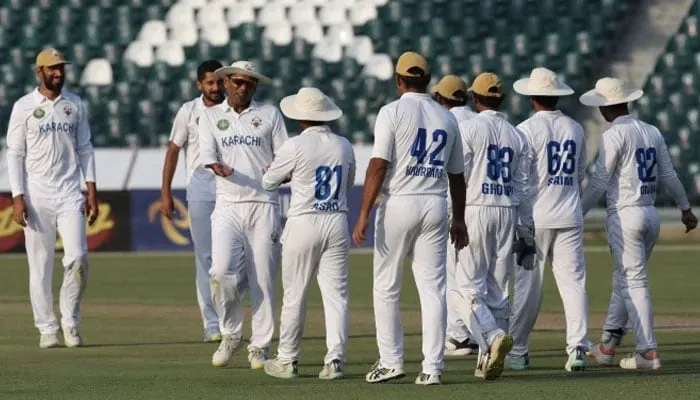
Pakistan’s premier first-class competition, the Quaid-e-Azam Trophy, begins its 2025-26 season today under a radically overhauled format. The Pakistan Cricket Board (PCB) has slashed the number of participating teams from 18 to just 8, citing the need for better quality and competitiveness in domestic red-ball cricket.
Under the new system, six regional sides earned automatic qualification based on last season’s standings, while the remaining two spots were awarded through the Hanif Mohammad Trophy — a non-first-class competition that now serves as a promotion pathway. This has added a layer of merit-based progression to Pakistan’s domestic circuit, forcing traditionally strong regions to prove their worth each season rather than relying on historic reputation.
The tournament will run from September 22 to November 7, featuring 29 matches in a single round-robin format before the final. Matches are largely concentrated in Islamabad and Rawalpindi to centralize logistics and ensure consistent playing conditions. By streamlining the tournament, PCB hopes to produce a higher standard of cricket that better prepares players for the rigors of international Test matches.
The shake-up, however, has not been without controversy. Iconic cricket regions like Karachi and Rawalpindi failed to secure automatic berths, meaning they had to battle for a return via the qualifying competition. This has triggered debate among fans and cricketing circles about whether narrowing the field risks limiting opportunities for emerging players from those regions. Critics argue that fewer teams could reduce overall exposure for fringe cricketers, while supporters of the move believe that only the most competitive sides should play at the top level.
PCB has framed this change as a long-term structural correction. Officials say that fewer mismatched contests will produce tighter games, expose players to greater pressure situations, and make selection for the national team more meaningful. They believe that stronger regional competition will sharpen both batting and bowling talent pools and ultimately benefit Pakistan’s Test side, which has struggled for consistency in recent years.
Still, there are challenges ahead. The governing body must ensure that the Hanif Mohammad Trophy remains robust enough to keep non-qualifying regions competitive and relevant. Balancing the need for elite competition with grassroots development will be critical to avoid alienating regions with rich cricketing traditions.
As the first ball is bowled in the new-look Quaid-e-Azam Trophy, all eyes will be on whether this format delivers on its promise — a tighter, higher-quality contest that brings the best talent to the surface and raises the overall standard of Pakistan’s red-ball cricket.
12BET Shortlisted for Sportsbook Operator of the Year at SBC Awards 2025