

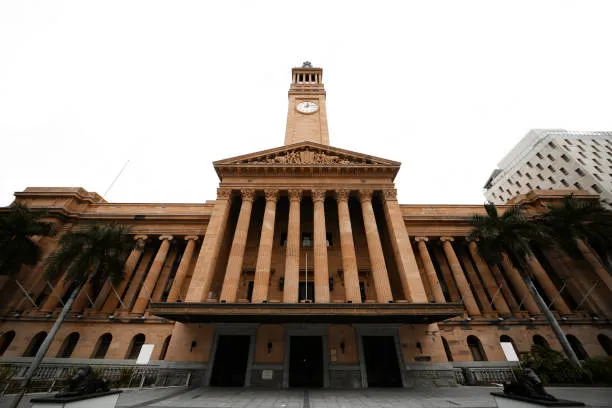
The Queensland Government has thrown its hat into one of the most commercially charged negotiations in Australian cricket, making it plain that tradition alone won’t decide where a summer begins anymore. If Cricket Australia wants to return the first-Test slot to The Gabba for future seasons—including the potential 2028-29 Ashes opener—the state government is reportedly being told it will need to cough up more than AUD 1 million, plus tangible commitments to marketing, tourism promotion, and broader strategic value-adds. This isn’t heritage protection. It’s pure hardball economics in a sport accelerating toward a contract culture.
The backdrop is more complex than a single cheque. Queensland has already secured a conditional, long-term assurance that The Gabba will remain a Test venue from the 2027-28 season through to 2031-32. That gives Brisbane a seat at the elite table for several more years, but it doesn’t cement the most coveted seat of all: opening rights. Scheduling authority belongs to Cricket Australia, and the board has shown it’s prepared to leverage fixture value against state investment. The first-Test slot was shifted to Perth’s Optus Stadium at the start of the 2025-26 season, a move that still stings in Queensland sporting circles. The Courier Mail reported that the government now faces a “million-dollar fight” to reclaim the opener, with Cricket Australia effectively setting a price on the privilege.
The chairman of Cricket Australia initially fanned the flames by implying that Optus Stadium might permanently hold the first-Test position, before dialing the remark back and calling it “tongue-in-cheek.” The retraction barely softened the message. Jokes or not, the allocation is open for bidding—informally or otherwise—and Queensland must prove it’s worth the commercial uplift, not just the nostalgic narrative.
Players and fans understand the symbolic gravity. The Gabba has long been a high-bounce, pace-friendly collider of dreams and nightmares for touring batting orders, a surface archetype that often gives Australia early-series leverage and shapes scoreboard psychology before opponents have unclenched their gloves. Mark Wood’s reflection, after England’s 2025-26 Ashes loss in Perth, captures the broader competitive mindset in the series: “hit pretty hard,” but with time to recover. Queensland stakeholders want the same psychological punch delivered from Brisbane—only this time with Australia throwing the first blow, not England wobbling after it. The Indian Express similarly framed India’s Guwahati collapse as an innings autopsy born from poor judgement against bounce and reckless shot-selection, showing that technical frailty under bounce pressure is now the common enemy across batting units globally. Queensland believe Brisbane’s decks can weaponize that pressure once more—on terms they want, not the opponents.
But Queensland must weigh the future, not the folklore. Brisbane is sprinting toward the 2032 Olympics, and the state has announced plans to construct a new 50,000-seat stadium at Victoria Park to eventually replace The Gabba altogether. Cricket Australia know this; it limits Queensland’s leverage in arguing for long-term fixture guarantees tied to infrastructure alone when infrastructure itself is about to be superseded. The board can now ask for premium payments without fear of losing the city from the calendar, because Brisbane is already financially pot-committed to its sporting future.
This negotiation signals a new operating principle in Australia’s Test summer. The first-Test slot isn’t a hand-me-down. It’s a bought asset. State hosts must now deliver funding plus demonstrable value in tourism activation, media buzz, and broader commercial positioning if they want the season’s first whistle. Expect more governments to be dragged into these bidding corridors moving forward, negotiating not just venue lighting or roof shadows, but marketing lines, tourism triggers, and digital broadcast co-commitments.
The deal also underscores the evolution of cricketers into commercial negotiables in roster politics. Ruturaj Gaikwad and Tilak Varma returned to ODI contention for India, while Gill, Iyer and Axar Patel were pushed out for fitness—showing how selection leverage can swing across youth opportunity and veteran faith based on roster health. The Gabba negotiation tells a similar story at an institutional level: Australia’s future will be decided not just by form or tradition, but by fitness of balance sheets and relevance of return on investment.
Queensland face a simple, brutal choice. Pay up to reclaim opening rights and preserve Brisbane’s symbolic status for the late 2020s, or risk becoming a middle act in Australia’s summer theater—permanently reacting, never opening. With cricket now accelerating toward transnational summer leagues, tourism amplification contracts, and digital rights ecosystems that dwarf venue folklore, Queensland must decide fast. Because Cricket Australia aren’t negotiating nostalgia. They’re negotiating futures.
12BET Shortlisted for Sportsbook Operator of the Year at SBC Awards 2025