

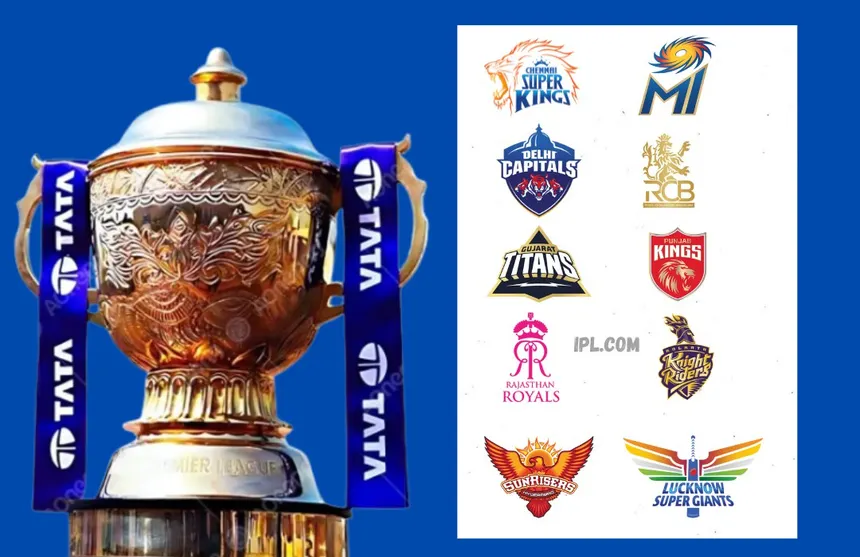
As stakeholders and sponsors turn their attention to the 2026 season, analysts outlining the richest IPL franchises by brand value and net worth have highlighted how sharply the league’s economics have evolved. The rankings are no longer just a reflection of on-field success; they reveal how commercial strategy, market reach, and ownership vision now shape power dynamics in the IPL as much as trophies do.
Mumbai Indians and Chennai Super Kings continue to dominate the upper tier of brand valuations. Their sustained success, loyal fan bases, and stable ownership structures have translated into long-term commercial strength. Both franchises benefit from consistent performance, iconic players, and strong cultural identities, making them attractive to global sponsors looking for reliability rather than short-term spikes in visibility.
Royal Challengers Bengaluru remain one of the most valuable franchises despite their lack of an IPL title. Their brand equity is driven heavily by Virat Kohli’s enduring global appeal, strong digital engagement, and a massive urban fan base. RCB’s case underlines a key economic truth of the modern IPL: brand power does not always depend on silverware. Visibility, personality, and engagement metrics often matter more.
Kolkata Knight Riders occupy a unique position. Their valuation has been boosted by early IPL success, association with high-profile ownership, and consistent branding over the years. While their on-field results have fluctuated, their commercial footprint remains strong due to sustained fan engagement across eastern India and overseas markets.
Rising franchises such as Gujarat Titans and Lucknow Super Giants represent the new-age IPL business model. Despite being relatively young, their valuations have climbed rapidly, driven by modern marketing strategies, data-driven fan engagement, and competitive performances early in their existence. Sponsors increasingly view these teams as growth assets rather than legacy brands.
Delhi Capitals and Rajasthan Royals sit in a middle band, reflecting stable but evolving commercial identities. Both franchises have invested heavily in youth development and analytics, appealing to forward-looking partners. However, inconsistent results and frequent leadership changes have limited their ability to push into the top valuation bracket.
At the lower end of the spectrum, franchises like Punjab Kings and Sunrisers Hyderabad continue to face branding challenges. Despite occasional strong seasons, lack of continuity and unclear long-term identity have held back their commercial growth. Analysts note that performance spikes alone are no longer enough; sustained storytelling and brand clarity are now essential.
What stands out in the 2026 outlook is how sharply the IPL has shifted from a cricket-first economy to an entertainment-first ecosystem. Media rights growth, global streaming reach, and year-round fan engagement have inflated franchise valuations far beyond match-day revenues. Teams are now lifestyle brands, not seasonal sports entities.
For sponsors, this ranking matters more than ever. Partnerships are increasingly structured around long-term brand alignment rather than short tournament exposure. Franchises with strong digital presence, youth appeal, and international recognition command premium deals regardless of league position.
As IPL 2026 approaches, the richest-franchise lists signal a clear reality: the league’s future will be shaped as much in boardrooms as on the field. Competitive balance may still decide championships, but commercial strength now determines influence, stability, and long-term dominance in the IPL ecosystem.
12BET Shortlisted for Sportsbook Operator of the Year at SBC Awards 2025