

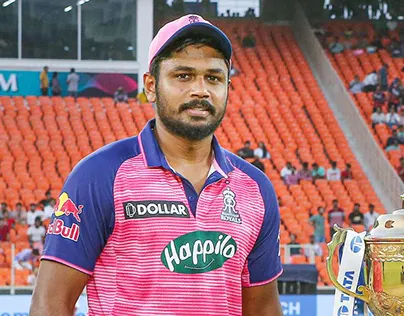
Rajasthan Royals are entering a critical transition phase following the trade of Sanju Samson to Chennai Super Kings, a move that has left a significant leadership void ahead of the new IPL season. Samson had been the face of the franchise for several years, both as captain and senior batter, and his departure has forced the Royals’ management into urgent discussions over who should take charge next.
The spotlight has quickly shifted to Ravindra Jadeja, whose return from Chennai Super Kings has dramatically reshaped the leadership debate. Jadeja brings with him vast IPL experience, championship pedigree, and a deep understanding of franchise cricket pressure. His credentials make him one of the strongest candidates to step into the captaincy role at Rajasthan Royals.
Samson’s exit is more than just a personnel change. Under his leadership, Rajasthan Royals built an identity around backing Indian talent, trusting youth, and playing fearless cricket. While results fluctuated, the core philosophy remained intact. Replacing Samson, therefore, is not only about naming a new captain but also about deciding whether the franchise continues on the same path or pivots strategically.
Jadeja’s appeal lies in his all-round value and tactical maturity. Having led CSK in the past during a challenging transition period, he understands the complexities of captaincy in a results-driven league. His calm temperament, game awareness, and ability to influence matches in multiple disciplines offer Rajasthan Royals a leadership option rooted in control rather than charisma.
From a dressing-room perspective, Jadeja commands immediate respect. Younger players tend to gravitate towards leaders who perform consistently, and Jadeja’s impact with bat, ball, and in the field strengthens his authority without the need for overt leadership theatrics. In a squad likely to feature emerging Indian players, that balance could be crucial.
However, the decision is not without debate. Rajasthan Royals have traditionally valued long-term planning and internal grooming. There is a section within management that believes the next captain should represent continuity rather than a reset. That has opened discussions around younger Indian players who could be developed as long-term leaders, even if they lack Jadeja’s experience.
The timing also matters. With the IPL becoming increasingly competitive, franchises are under pressure to avoid experimental seasons. A safe, proven option like Jadeja offers immediate stability, especially at a time when the Royals are recalibrating their squad after a major trade. In contrast, handing the armband to a less experienced player carries risk, even if it aligns with long-term vision.
Another factor is Jadeja’s workload management. As a premium all-rounder, the franchise must weigh whether captaincy responsibilities could impact his performance. That said, Jadeja has previously shown he can manage leadership alongside match duties, particularly when supported by a strong coaching group.
At this stage, Rajasthan Royals’ management is still in active discussions, with no final call made. The franchise appears keen to assess squad balance, leadership support structures, and future planning before locking in a decision. What is clear, though, is that Samson’s departure has triggered one of the most intriguing off-field storylines of the upcoming season.
Whether Rajasthan Royals opt for Jadeja’s experience or choose to groom a new leader, the decision will shape their direction for years to come. For now, Jadeja stands as the frontrunner, but the Royals know that captaincy, like success in the IPL, is rarely about a single name — it’s about the system built around it.
12BET Shortlisted for Sportsbook Operator of the Year at SBC Awards 2025